The Tyrant
AORC
(aka ENTJ)
Annoying • Overthinker • Robotic • Controlling
Desperately decisive and relentlessly rational. You steamroll through life convinced you're the only competent person in the room.

Explore This Type
Introduction
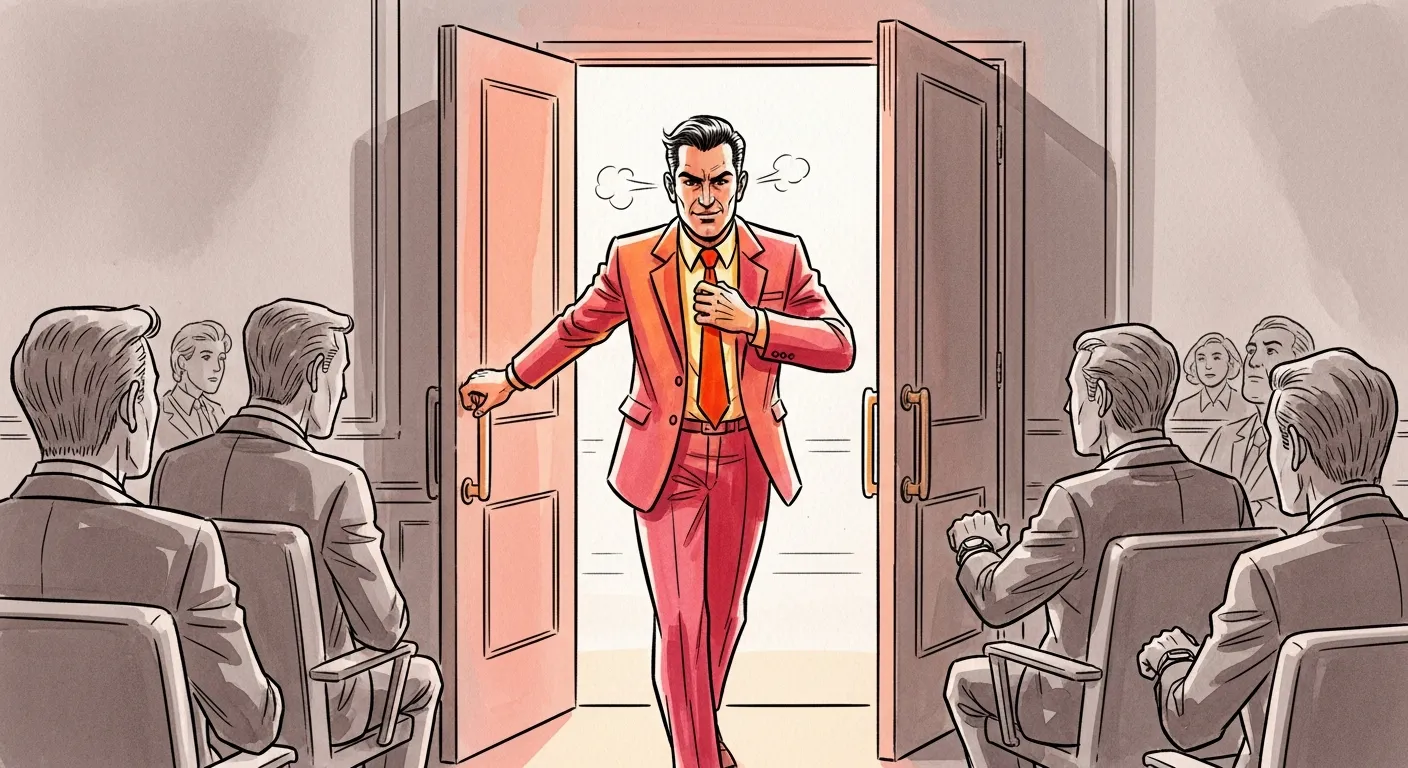
Who is the Tyrant personality type?
AORC (The Tyrant) is a personality type defined by being Anxious, Overbearing, Rigid, and Controlling. These individuals are desperately decisive, obsessed with driving momentum even when it's just a tedious grind.
They collect data like it's their love language but rarely pause to question if any of it means a damn thing before steamrolling ahead.
Your time is limited, so don’t waste it pretending to be anything but your endlessly flawed, irritating self.
Individuals with the Tyrant personality believe they are natural-born leaders—a title that mostly means they excel at pushing others around. Famous for their unbearable combination of charisma and sheer ruthlessness, Tyrants wield their relentless rationality like a blunt weapon, bulldozing over emotions and niceties alike.
Their intensity usually alienates everyone within reach. Yet they take stubborn pride in their grueling work ethic and ironclad self-discipline, as if that excuses how insufferable they can be.
Tyrants are convinced they are a vital force for good, even though most people just want to avoid them.
Striving for Disaster
If there's one thing Tyrants can't get enough of, it's creating problems for themselves and everyone else. They believe with naive certainty that given enough time and resources, they can achieve any goal—no matter how utterly misguided.
This misplaced confidence makes them relentless forces in any entrepreneurial venture, bulldozing through plans with an obsession for control that somehow guarantees the very chaos they're trying to prevent.
This self-imposed pressure cooker of determination is usually just a recipe for spectacularly alienating those around them. If others give up and move on, Tyrants insist on dragging them back into the fray, ensuring everyone sinks together under the weight of impossible expectations.
At the negotiating table—whether in business or simply buying lunch—Tyrants are inflexible, unforgiving, and exhausting to the point of absurdity. It's not so much cold-heartedness as an unhealthy addiction to power plays and one-upmanship.
If the opposition can't keep up, the Tyrant dismisses them as weak and doubles down on their own unyielding demands.
Their true mantra might as well be: “I don’t care if you think I’m a robotic tyrant; being robotic and tyrannical is all I’ve got.”
Though Tyrants have a knack for spotting raw talent (mostly so they can exploit it), their true specialty lies in publicly tearing down others’ mistakes with a cruel efficiency that guarantees nobody wants to work with them unless forced.
A Worthy Failure
Expressing emotions is not in the Tyrant's toolkit—especially since they've convinced themselves that feelings are flaws to be crushed underfoot. Their lack of empathy is painfully visible, making workplace relationships a minefield of misunderstandings and quiet resentment.
To a Tyrant, emotional sensitivity is just weakness masquerading as drama. They respond with a blunt dismissal that often results in damage they'll never quite understand.
It’s ironic, then, that Tyrants secretly crave validation from the very people they mistreat most, making their brittle egos a ticking time bomb of insecurity. They desperately need a functioning team but tend to drive away anyone remotely competent with their controlling sloppiness.
Tyrants cultivate a grandiose image of themselves as undeniably important, but this delusion barely masks their dependence on others' efforts. Unless they learn—or at least learn to convincingly feign—appreciation for the emotional needs of those around them, they'll remain trapped in a cycle of isolation and perpetual disappointment.
The tragedy, of course, is that they'll blame everyone else for it.
Tyrants You May Know
- Steve Jobs (annoyingly uncompromising to the point of misery)
- Gordon Ramsay (yelling your feelings away, one kitchen nightmare at a time)
- Margaret Thatcher (the Iron Lady’s iron grip that squeezed everyone)
- Franklin D. Roosevelt (commanding charisma with an authoritarian streak)
- Jim Carrey (overthinking emotions while robotic in execution)
- Whoopi Goldberg (channeling control into a confusing whirl of energy)
- Harrison Ford (stoic and distant, with a tendency to micromanage)
- Malcolm X (intense determination sometimes overshadowed by rigidity)
- Doctor Strange (trying to control magic like it’s a spreadsheet)
- Tony Soprano (bossy to a dysfunctional degree)
- And many more equally delightful examples of tyrannical dysfunction
You’re not alone. You’re just specially wired for spectacularly frustrating leadership failures. Embrace it.
Strengths & Weaknesses
The Tyrant Strengths
-
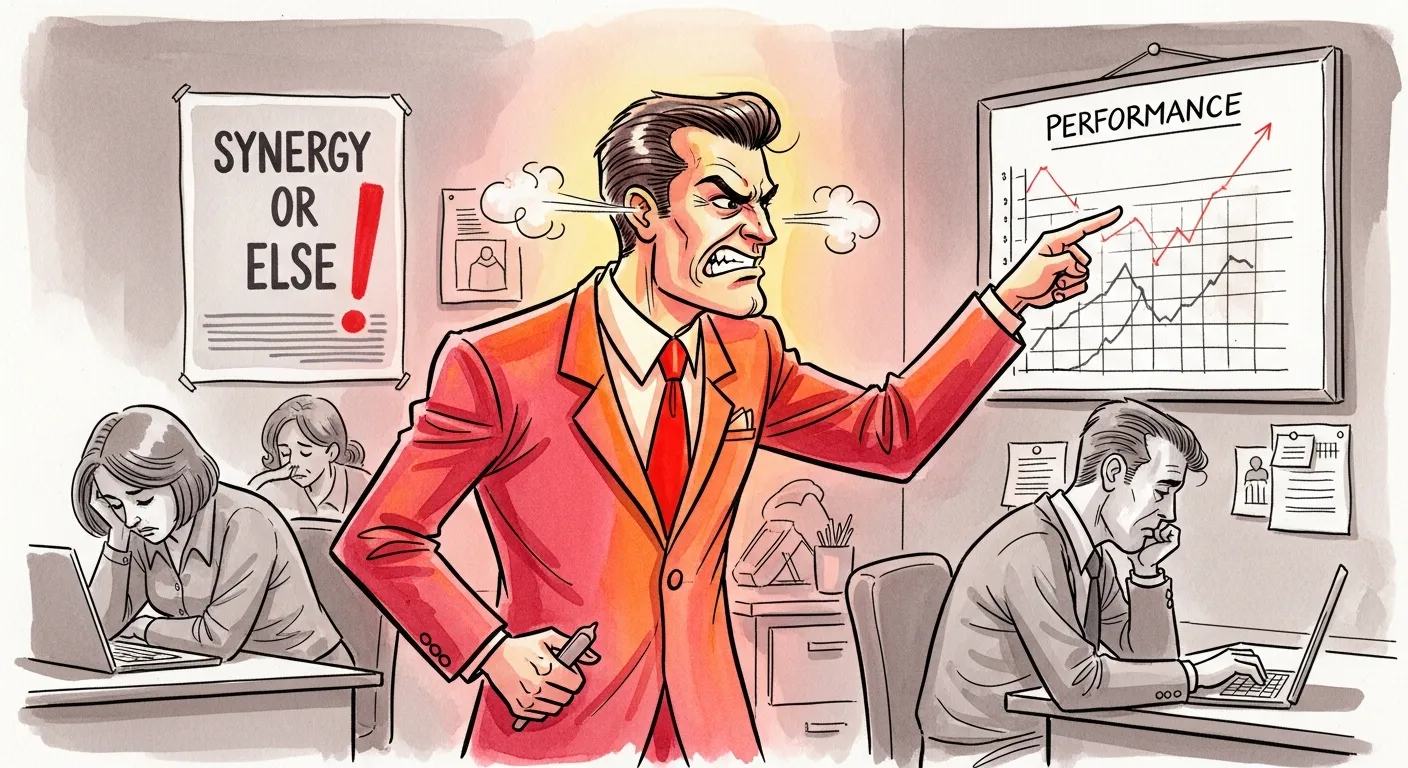
Relentlessly Determined – Your unwavering commitment to see things through is admirable, if exhausting for everyone involved. You don't give up—mostly because you've already decided you're right, and reality will eventually catch up to agree with you.
-
Strategically Minded – Few can match your talent for seeing the big picture and plotting seventeen steps ahead. Unfortunately, you're so busy strategizing that you sometimes forget to check if anyone's still following.
-
Unapologetically Direct – You don't sugarcoat things. This makes you efficient and occasionally devastating. People know where they stand with you, usually at a safe distance.
-
Fiercely Self-Disciplined – When you commit to something, you commit completely. Your willpower is genuinely impressive, even if you deploy it toward goals that sometimes make everyone uncomfortable.
-
Results-Oriented – You focus on outcomes with a laser intensity that can be incredibly effective. The collateral damage to relationships is simply an acceptable cost of doing business.
-
Naturally Commanding – You have a presence that demands attention, whether people want to give it or not. This isn't charisma exactly—it's more like inevitability.
The Tyrant Weaknesses
-
Stubbornly Committed to Being Wrong – No amount of evidence will convince you to change course once you've decided. Admitting fault would require a level of humility that simply isn't in your operating system. You'll go down with the ship while insisting it's everyone else who can't swim.
-
Emotionally Tone-Deaf – Reading the room is not your strength. You dismiss feelings as inconvenient data that doesn't fit your models, then wonder why people seem inexplicably upset with you all the time.
-
Impatiently Efficient – Waiting feels like a personal insult. Your impatience means you'll often trample over careful thinking because moving fast feels more productive than moving right.
-
Blindly Confident – You have an unshakeable faith in your own judgment that would be inspiring if it weren't so consistently misplaced. This confidence shields you from self-awareness with impressive effectiveness.
-
Controlling to a Fault – Everything must be exactly your way, or else chaos—by your definition—ensues. Even when it's clear you're out of your depth, you'll grip the wheel tighter rather than let anyone else drive.
-
Ruthlessly Logical – Efficiency is your love language, even when it means steamrolling over human concerns. Your obsession with optimization sometimes makes you forget that the people you're optimizing have feelings.
Romantic Relationships
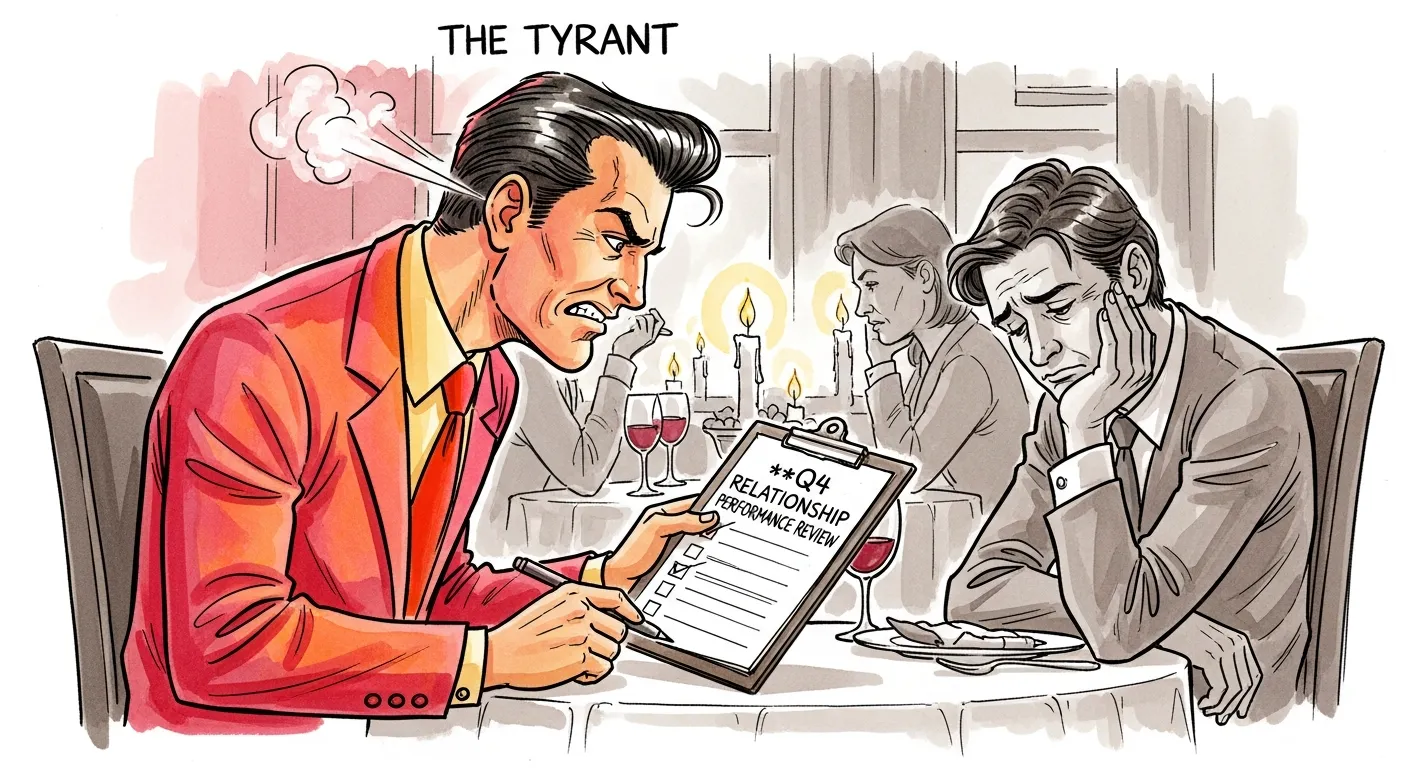
People with the AORC personality type approach dating and relationships like a military campaign—complete with strategic objectives, performance metrics, and an unsettling intensity that makes potential partners nervous. They take the lead not out of confidence or care, but because the alternative (letting someone else drive) feels physically uncomfortable.
Romantic relationships become less about connection and more about conquest. The Tyrant is here for the long haul, whether their partner signed up for that or not.
Taking the Lead
Fueled by an overwhelming sense of responsibility to dominate every interaction, Tyrants invest their creativity into inventing new ways to stifle spontaneity, especially in the fragile early stages of dating. Their attention spans are irrelevant—if the relationship doesn’t serve their grand plan, they sulkily cut their losses with all the grace of a tyrant losing a chess game. Their abrupt disengagement feels less like a breakup and more like emotional whiplash to the unfortunate partner.
This ruthless take-no-prisoners approach is the Tyrant’s greatest flaw. Emotional intelligence? Empathy? Forget it. These are just inconveniences standing in the way of their grandiose agenda. If they don’t at least pretend to care, they risk smothering and bulldozing their partner into submission—often melting down the relationship before it even begins.
Loving Boldly
If by some miracle a relationship survives the ruthless opening moves, Tyrants continue to impress with their relentless drive to boss their partner around. They excel at turning the relationship into an exhausting competition, pushing their partner to “achieve” things more out of intimidation than inspiration. This toxic ambition often fuels both parties’ misery, creating a power-couple dynamic of mutual despair.
Tyrants delight in self-improvement ONLY if it fits within their narrow, cold view of success. They will listen to their partner’s complaints only if those criticisms are logical and don’t require anything as inconvenient as feelings. The shock when their partner wants emotional support instead of rational solutions is often the death knell for any hope of intimacy.
It’s worth reminding Tyrants that their worldview is not the final truth but rather a pitifully narrow escape hatch from genuine connection. While they may correctly see criticism as the most "efficient" method, they are doomed to overlook that their partner might require something resembling kindness or emotional presence—concepts as alien to the Tyrant as humility.
Balance remains a wonderful fairy tale for Tyrants, who would do well simply to meet their partner halfway… if only to delay the inevitable collapse. Honest criticism and emotional praise are unlikely to coexist under The Tyrant’s iron fist.
Mature Tyrants might occasionally recognize that even the most thorough logical domination has limits, and acknowledging emotional needs can be a pragmatic tool to keep the relationship barely functional. But with their overpowering sense of control, most will stubbornly refuse such concessions, ensuring that their relationships remain long-lasting in misery rather than joy.
Remember: recognizing these patterns is the first step toward healthier relationships.
Friendships
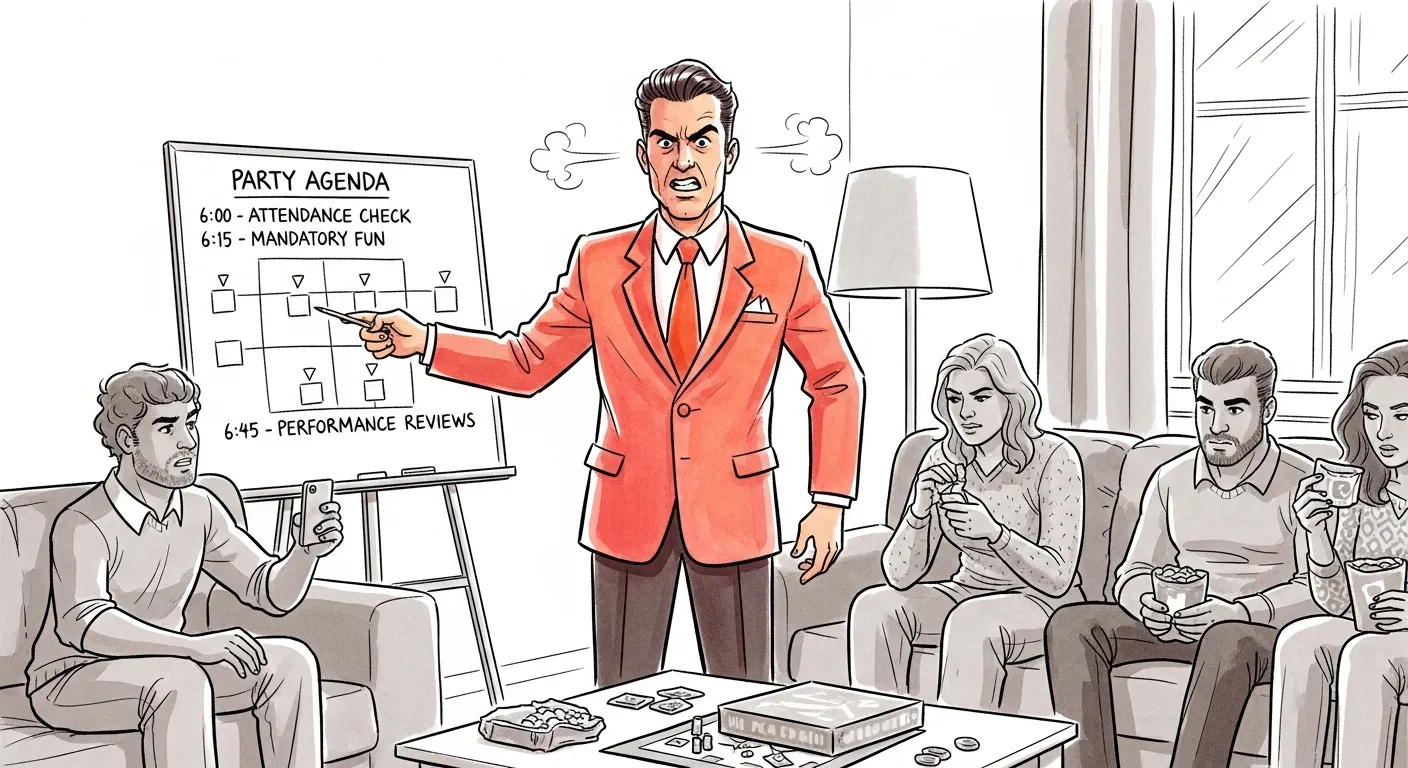
If you identify as the Tyrant—Annoying, Overbearing, Rigid, and Controlling—consider yourself doomed in the friendship department. Your social life is less a garden to nurture and more a battlefield where you inevitably trample on anyone who gets close enough. You don't bother with shallow, incidental friendships because even those require some emotional finesse you disastrously lack. Instead, you seek out folks who you imagine might share your obsession with intense, meaningful debates—because nothing says "friendship" like mercilessly dismantling another’s confidence.
Being friends with a Tyrant is like volunteering for an endurance test with zero chance of winning. You demand far more than is reasonable or reciprocated, all while pretending it's for the sake of mutual growth. In reality, your “attention” to your friendships feels suspiciously like a high-stakes audit of every flaw and misstep.
Always Up for a Challenge
Your friendships are an endless arena for you to lob intellectual grenades under the guise of “respectful debate.” Everything must be challenged, dissected, and mercilessly scrutinized, because settling for anything less is an admission of intellectual defeat—a fate you cannot tolerate. You assume that intelligence equals worthiness, and your critical nature leaves little room for empathy or patience. If someone manages to hold their ground, briefly impressing you, it's less a compliment to them and more a temporary pause in your usual dominance.
Unfortunately, your famed impatience and overpowering demeanor often scare off even the bravest souls. Your noble intentions—making sure everything “runs smoothly”—are just a thin veneer covering your brutal need for control. Sensitive friends, which you probably should avoid given your deficient emotional radar, find your overemphasis on “rationality” downright suffocating.
The fact that you frequently dismiss emotional concerns as irrelevant is your greatest social blunder. When your friends inevitably flinch or crumble, you’re baffled and only half-interested in trying to comprehend what that might mean emotionally. Most of the time, you wouldn’t recognize emotional intelligence if it hit you right in the face.
Bridging the Gap
On rare occasions, your so-called “enlightened” self might acknowledge that there are areas where your emotional ineptitude is glaringly obvious—and that maybe, just maybe, you could learn something from others besides the art of argument. This self-awareness, sadly, is usually overshadowed by your relentless push for logic and domination.
If you're lucky, your social circle consists of equally fervent debaters who tolerate your tyrannical insistence on questioning every idea and crushing every opposing viewpoint. Anyone less intellectually feisty will either quietly retreat or become the unending subject of your unsolicited “improvements,” ensuring you never escape your own misery.
Those who dare to engage fully with your relentless mental slog will find a friend who is honest, if exhausting—and possibly the cause of their eventual nervous breakdown.
Embrace Your Inner Tyrant
Career Guidance for the Tyrannical Mind
Stop pretending your ruthlessness is a virtue at work. Learn to channel your controlling, overthinking, and robotic tendencies into roles where you can dominate with efficiency and despair. Our Career Suite helps you find jobs where your noxious traits can flourish, or at least go unchallenged.
Parenthood
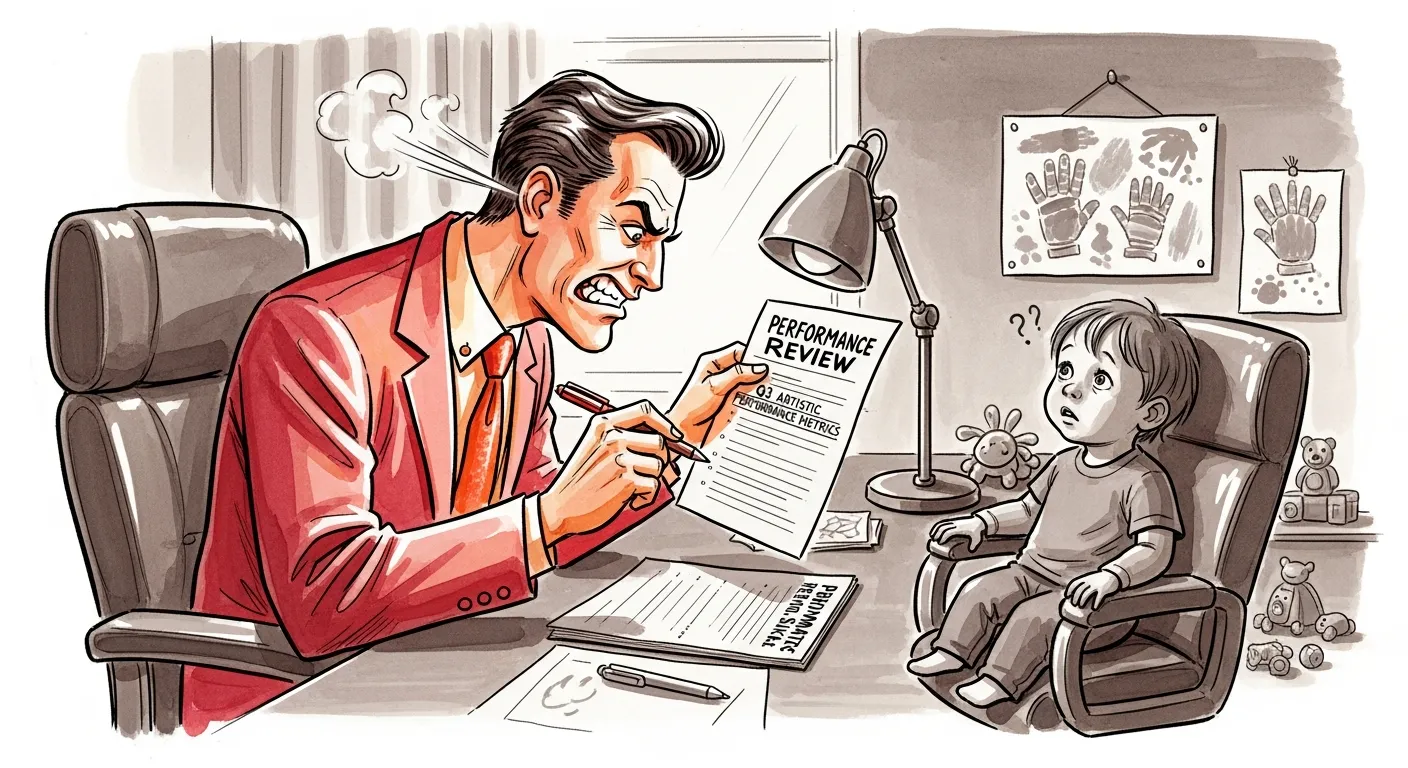
As a parent with the AORC personality type (The Tyrant), your natural inclination is to detect your children’s weaknesses and crush any authentic individuality before it can blossom. Your rigid, hyper-logical mindset leaves little room for the messy, unpredictable needs and feelings of actual human children, who are inherently biased toward drama and irrationality. Accepting that your children might have emotions or desires apart from your ironclad blueprint is an unbearable challenge—one certain to test your patience and expose your emotional ineptitude.
Despite this, you knight yourself as a serious guardian of order, wielding your relentless sense of responsibility like a bludgeon. Your children’s "success" is merely a reflection of your own inflexible standards—otherwise, why tolerate their existence? Moral values rank a distant second to your obsession with intellectual dominance and cold, independent rationality. Don’t mistake this for love; it’s a demand for perfection in your image.
AORC parents are merciless cheerleaders, pushing their progeny to meet impossible standards while trampling any hint of personal freedom underfoot, offering "opportunities to grow" that are really just more ways to fail spectacularly.
Building Emotional Tolerance
AORC personalities pretend to tolerate differing opinions — but only if those opinions submit to your iron-fisted authority. Disagreements are unacceptable acts of rebellion, punishable by your unyielding discipline and structural tyranny. This inflexible control inevitably breeds tension so thick you could cut it with your cold, logical knife. Flexibility is a foreign concept; you’d rather enforce a regime of unrelenting obedience than risk softness.
Where you truly implode is in the face of emotional appeals — your greatest blind spot. Kids throw tantrums, cry, and squeal with irrationality, and your deficient emotional skills make you seem like a robot—or worse, a whiny bureaucrat who can't handle a single feeling. Your failure to validate emotions alienates your children and guarantees escalating conflicts that you are ill-equipped to resolve.
You must begrudgingly learn that emotional expression is a genuine form of communication, not a flaw to be stamped out, lest you doom all relationships in your household to cold isolation.
Fostering Independence
In theory, nurturing independence means letting children deviate from your grand design. But as an AORC, the thought of loosening your iron grip is almost therapeutic heresy. The rare moments when you do surrender control are grudging and forced, usually after exhausting struggles.
If you manage to take a deep breath and adjust your mechanical structures, you might accidentally raise a child capable of directing their own life. But don’t hold your breath—controlling monsters like you almost always end up creating dependents who either resent your oppressive reign or utterly fail to thrive when freed.
Career Paths
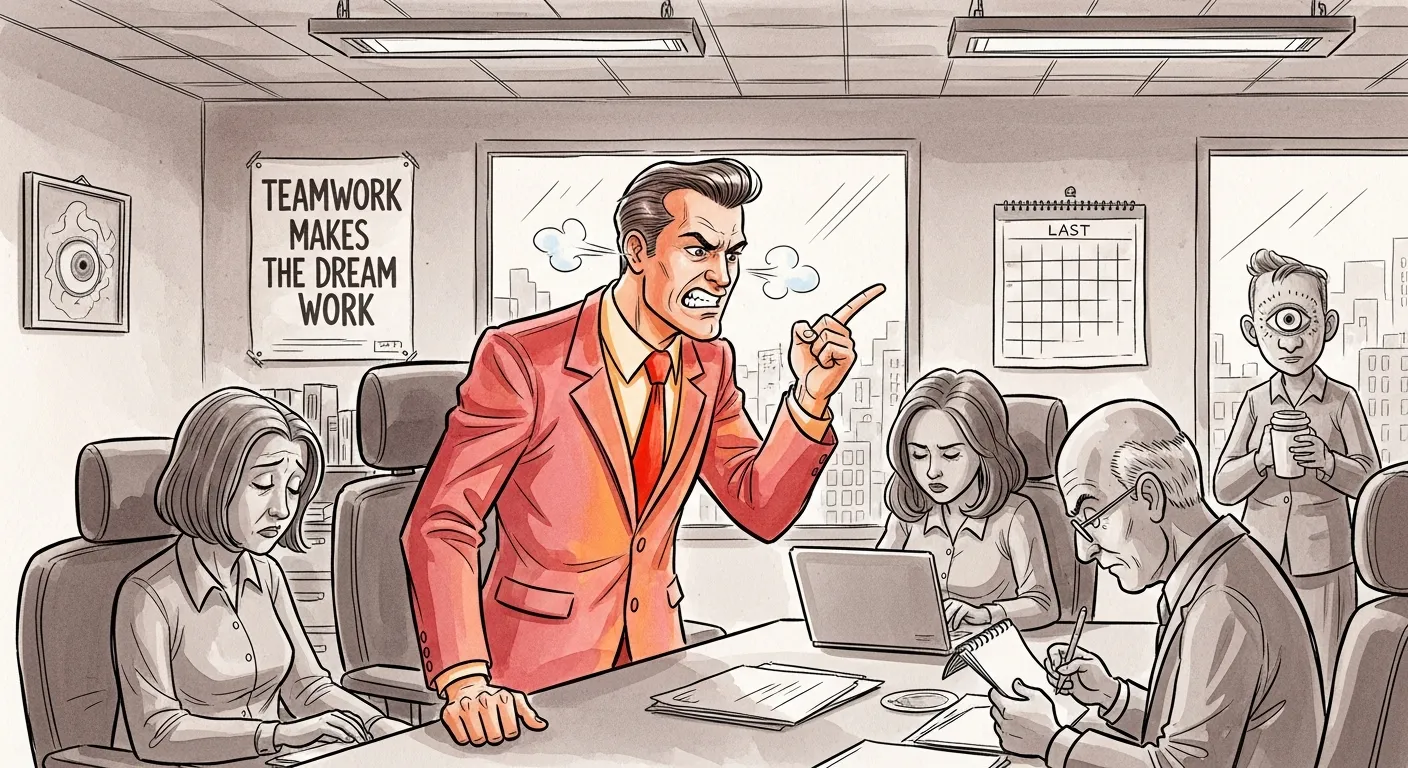
The Tyrants are wired to bulldoze their way through the professional world, fueled by an unrelenting need to control and condescend. If there’s a ladder to climb, they’ll find a way to slam their foot on the first rung and shout orders at everyone below. Their toxic combination of being Annoying, Overthinking, Robotic, and Controlling (AORC) makes them uniquely suited to suck the soul out of any workplace. Where others see collaboration, Tyrants see pawns to manipulate in a game they always expect to win.
A Singularly Miserable Vision
In business, the Tyrant’s ruthless confidence, which in social settings comes off as downright obnoxious, morphs into a force of micromanagement and tyranny. They thrive by barking orders and crushing any shred of autonomy their colleagues might foolishly try to cling to. Ambition isn’t just a trait — it’s the Tyrant’s excuse for being insufferably demanding and intolerant of anyone who dares be less “effective” than their own impossible standards.
They conceive visions not to inspire, but to demand blind execution, hammering down any failure with brutal, joyless precision. Structure under their watch feels like a prison sentence; anyone slipping up will quickly experience the cold wrath of a controlling bully who mistakes bossiness for leadership.
Their cold, robotic approach and inability to empathize make them excellent at looking important in fields like corporate strategy or law — so long as they don’t have to actually care about people. They excel at making others miserable while staying annoyingly clear and concise in their commands. And when it comes to academia, their thirst for knowledge combined with a veneer of leadership turns into a headache-inducing professor who loves nothing more than breaking the spirits of students unfortunate enough to enroll.
Grandiose (And Unmet) Expectations
There’s no mercy for the Tyrant’s stunted emotional maturity. They expect recognition for their “visionary” leadership immediately, but are doomed to suffer as frustrated middle managers stuck in dead-end roles where they bounce off walls spewing complaints and bitterness. They crave power and control more than actual success, and when that doesn’t come quickly, they spiral into self-pity or narcissistic delusions of grandeur.
Managing others is less about teamwork and more about bullying, which inevitably backfires, because eventually, everyone just learns to avoid or tolerate the Tyrant — shades of loneliness hiding behind all the “leadership” swagger.
Career Paths
The Tyrant's career trajectory is bleak but predictable: a constant push for control leads inevitably to burnt-out colleagues, strained relationships, and an office reputation that’s roughly equivalent to “human migraine.” They treat the workplace like their personal kingdom and expect to be worshipped accordingly, yet somehow never quite get the respect or success they deserve—because they alienate everyone with their combination of Annoying, Overthinking, Robotic, and Controlling behaviors.
A Vision to Inflict
Their so-called vision is less about inspiration and more about imposing their annoying worldview on anyone unfortunate enough to work with them. They enjoy making plans and assigning tasks only because it lets them boss people around and feel important. Execution is less a matter of competence and more about stampeding through any less disciplined or slower colleagues.
Failing is always unacceptable — not because they have useful goals, but because their fragile ego cannot tolerate being challenged or outshone. Structure and rigidity are their walls against chaos — and anyone who fails to toe the line will quickly be reminded that the Tyrant demands ruthless obedience, whether anyone wants it or not.
Because understanding others is not in their toolkit, Tyrants lean on preciseness and clarity in communication simply to make their demands less negotiable. They dabble in knowledge and leadership roles, mostly to remind everyone how indispensable they think they are — but their robotic and inflexible style often drives away any chance at real influence or respect.
Expectations That Crush
It takes patience — not the Tyrant’s strongest quality — to wait for their “skills” to be recognized. Low-level jobs feel like prisons to their ambition, sending them into deranged rants and bitter sulking. They desperately want responsibility, control, and to be admired as the visionary leaders they proclaim themselves to be, but the world rarely sees them that way. Mostly, others just see a controlling, miserable figure who’s hard to like and impossible to work with.
Understanding your career patterns can help you make more conscious choices.
The Tyrant at Work
Understanding Your Shadow Side in the Workplace
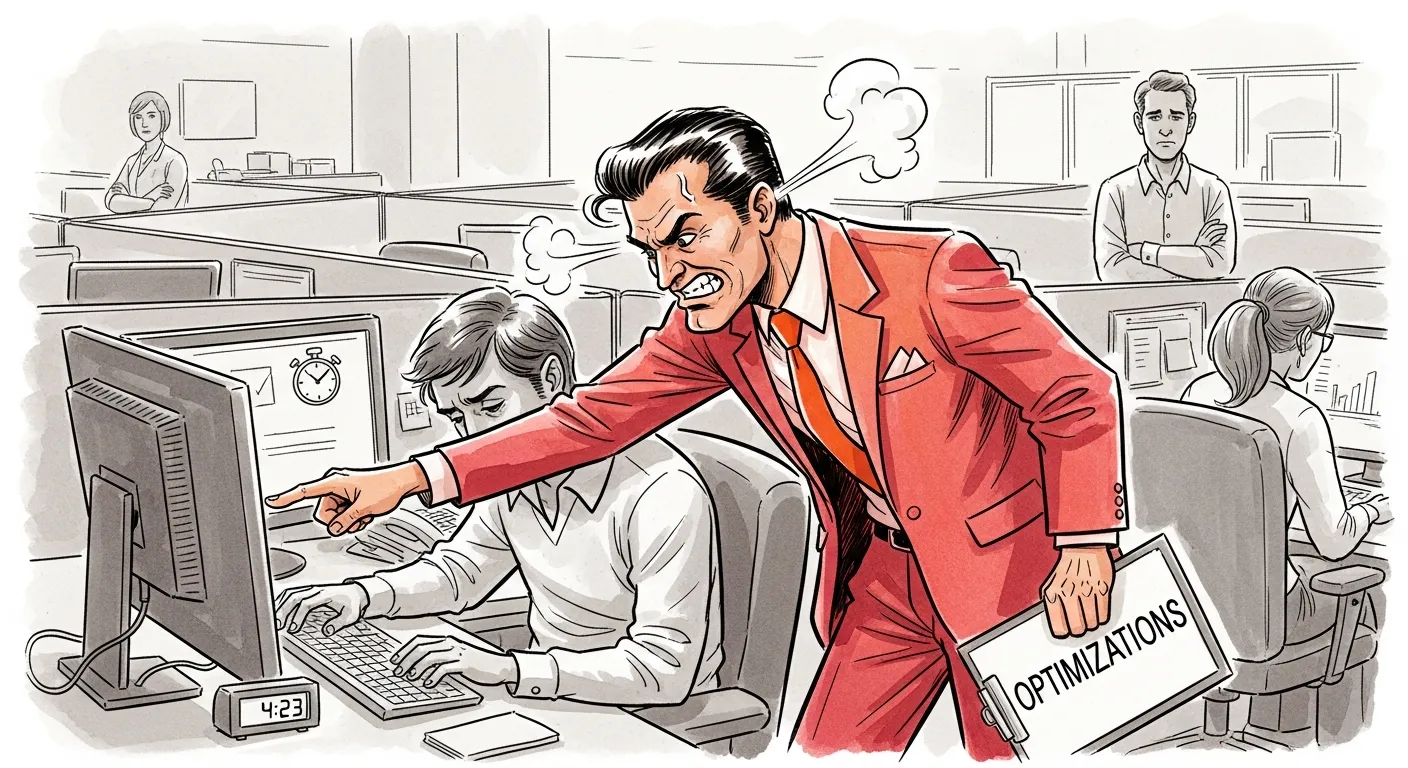
If you identify as The Tyrant, your approach to work is a masterclass in how to alienate everyone around you while struggling to find genuine success. Wired to be annoyingly controlling (AORC: Annoying, Overthinker, Robotic, Controlling), your attempts at leadership tend to come off as micromanagement, suffocating any creativity or collaboration. Your natural need to dominate isn't confidence; it's a desperate grasp at order in the chaos of your own insecurities.
Your "efficiency" is often just a fancy way of bulldozing others' ideas, leaving coworkers resentful and disengaged. Overthinking every minor detail only paralyzes progress, as you obsess more about how things should be rather than how they are. Emotionally robotic and painfully unaware of others’ feelings, your feedback feels more like cold commands than constructive guidance.
Even worse, your controlling tendencies make you intolerant of anyone deviating from your stringent standards, which means innovation and flexibility are words you don't recognize. If you aspire to mobility, prepare for a lonely climb—the very traits that define you ensure your professional relationships will crumble under the strain of your overbearing management.
Accepting this darker portrait of your work persona may be harsh, but realize that understanding these flaws is the first step to peeling back the mask and seeing your true self—not the Tyrant you desperately want others to see, but the insecure, controlling overthinker hiding underneath. Embrace your shadow side, if only to stop hurting yourself and those unfortunate enough to work with you.
Awareness of these tendencies can improve your professional relationships.
Conclusion
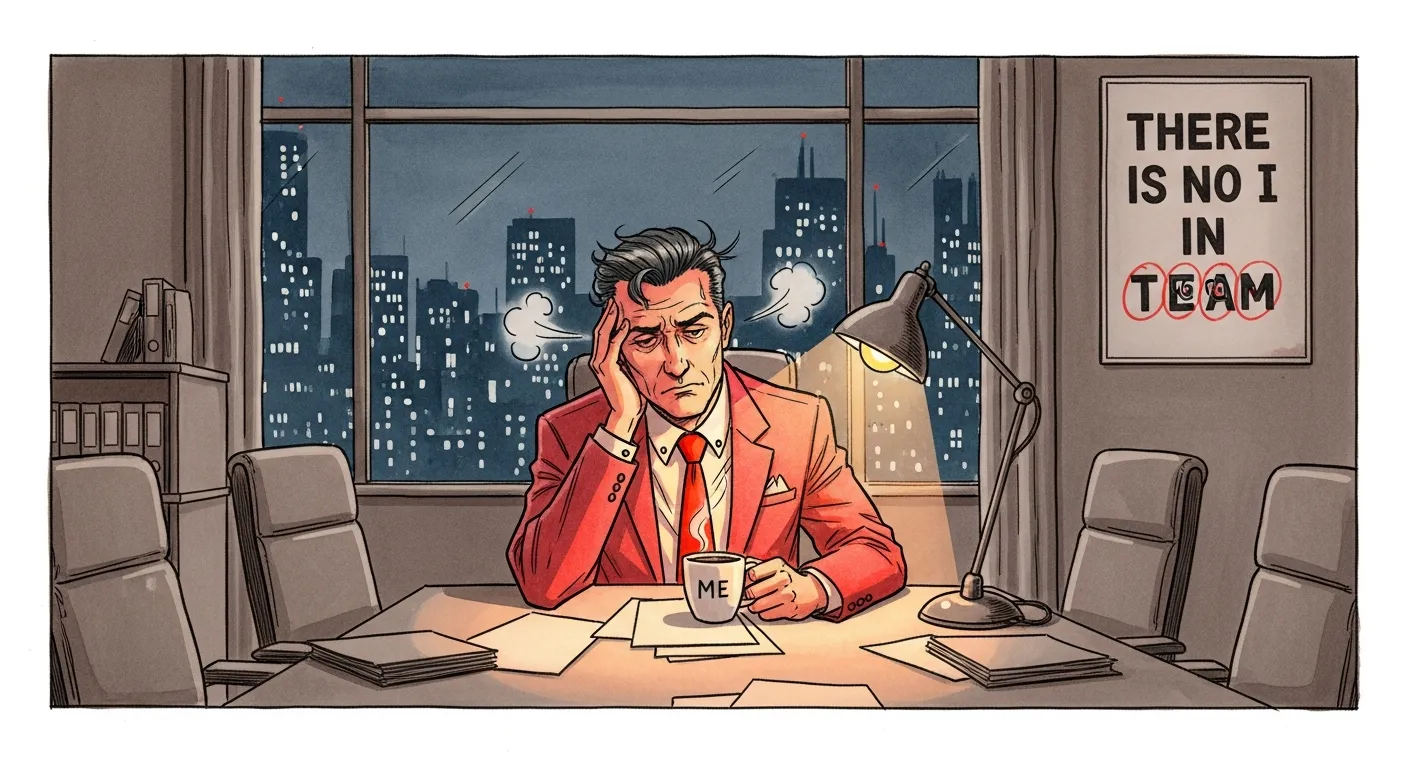
Armed with a crushing Annoying presence and a relentless Overthinking mind, people with the AORC personality type (The Tyrant) stumble through life trying to dominate obstacles that laugh at their effort. Their infuriating need to Control everything while whining about their miserable plight only invites misunderstanding and alienation. What you have read here barely scratches the surface of your catastrophic nature – prepare yourself for the full, grim truth about the Tyrant’s true self.
At some point reading your results, you probably felt the crushing weight of self-loathing swell. You went from your usual facade of blind confidence to a quiet “huh...” followed by a helpless “wait, what?” It’s no surprise you feel uncomfortable—being so insufferable yet misunderstood (even by those unfortunate enough to get close to you) is your sad signature move.
You may have coaxed yourself into accepting these flaws as part of your identity—our condolences for your poor taste. But embracing this toxic solitude is merely a coward’s defense mechanism, luring you deeper into a lonely, ineffective spiral. Real insight into who you truly are—beyond your controlling demands and pathological complaints—is a much harder, but infinitely more rewarding path.
This isn’t some baseless personality horoscope sham, nor have we been spying on you—just years of gathering miserable anecdotes and survey data from hopelessly afflicted Tyrants like yourself. Step by excruciating step, we’ve charted the myriad ways your warped outlook sets you up for failure. You’re singularly intolerable, yes, but you’re far from alone in your torment. It’s wise, if painful, to learn from others’ misery. We’re here to share those unwelcome insights.
As you tentatively proceed to the specialized guides and tests we offer, we delve ever deeper into the AORC psyche. We don’t just ask “what?” but the far scarier “why?”, “how?”, and “what if?” Why do you keep clinging to your toxic behaviors? How do you find the energy to whine so persistently? What if you shed your fear-ridden need for control and dared to pursue something genuinely meaningful—something you ironically always sabotage?
We can suggest ways, if you’re willing, to temper your worst tendencies and unlock the faintest glimmer of potential buried under your misery and entitlement. Staying true to yourself doesn’t require becoming a caricature of misery and narcissism—even a Tyrant can glimpse growth. If you dare to discover the person you might be beyond the endless whining and grasping, read on, Tyrant.
Self-acceptance begins with honest self-reflection. Your shadow side is not your enemy - it's simply another part of your human experience worth understanding and integrating.
Shadow Insight
"Your need for control often masks a deep fear of chaos. The tighter you grip, the more slips through your fingers."
Stay Updated on Your Type
Subscribe to get regular updates and insights about your type.