The Chaos Gremlin
AORS
(aka ENTP)
Annoying • Overthinker • Robotic • Sloppy
Creating problems just to feel something. Your mind moves faster than anyone can follow, including yourself.

Explore This Type
Introduction
Who is the Chaos Gremlin personality type?
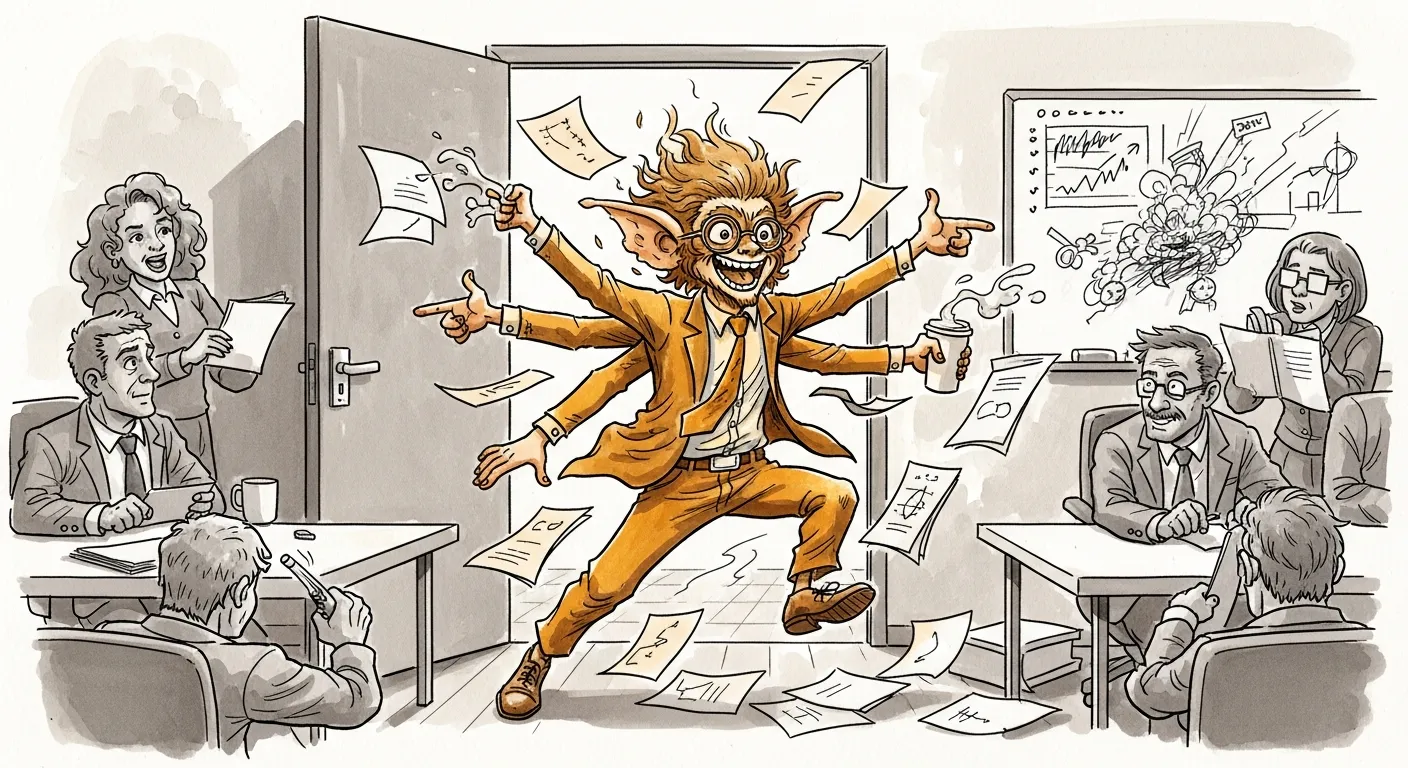
AORS (Chaos Gremlin) is a personality type defined by the Annoying, Overthinker, Robotic, and Sloppy traits — with a Miserable streak in tow. These folks are wired to create chaos out of thin air, tearing apart ideas not out of insight, but sheer restless irritation. They fling themselves headlong into conflicts, not because they enjoy them, but because they simply can’t help but annoy everyone around them with their incessant skepticism and dithering.
Quickly jumping to arguments with no clear purpose, Chaos Gremlins disagree not because they have a point, but because they find comfort in constant disagreement—a relentless force of grinding noise in every social setting. They mistake their incessant nitpicking and pedantic whining for intellectual stimulation. In truth, they’re just exhausting to endure.
Don’t mistake their robotic, joyless banter for wit or humor. This type’s conception of fun is watching things smolder as they systematically dismantle every conversation with robotic monotony and careless laziness. They are self-proclaimed champions of contrariness, delighting in unraveling others’ ideas only to replace them with cold indifference and sloppy half-thoughts.
Breaking the Rules
Follow the path of the annoying, indecisive pest. Expose your ideas—and everyone else’s—to relentless whiny critique.
Chaos Gremlins take rebelliousness to a counterproductive extreme, challenging every rule, idea, and belief not out of a noble quest for progress, but because they’re bored and find it easier to complain than to create. Their so-called boundary-testing is less about innovation and more about testing everyone’s patience to its limit.
Convinced that the world is full of mindless conformists, they contrive intellectual gymnastics to prove otherwise—but mostly just prove how pointlessly annoying they can be. Instead of building up ideas, their overthinking and robotic critiques grind conversations to a halt, leaving only frustration and weary eye-rolls in their wake.
A lifelong challenge for Chaos Gremlins is turning their endless mental noise into any form of meaningful accomplishment. But don’t hold your breath—they avoid the “grind” of actual implementation as much as possible, distracted by their own slippery thoughts and perpetual second-guessing. Without a miracle in personal growth, they’re doomed to a cycle of creative paralysis and sporadic outbursts of petulance.
The Cost of Contrarianism
Their legendary capacity for contradiction might seem impressive, if anyone could stand to listen to them long enough. Unfortunately, Chaos Gremlins tend to sabotage their chances at happiness and success by turning every conversation into a battlefield of criticism and nitpicking.
Not every moment demands a whiny “gotcha” moment, but this type rarely grasps that most people have a threshold—beyond which they simply stop caring or flee entirely. This means Chaos Gremlins are notorious for burning bridges without ever really noticing, alienating their closest allies while patting themselves on the back for being “logical.”
While they might be respected for their veiled flashes of knowledge or their grim sense of humor, their lack of empathy and sloppy communication habits doom their relationships and careers alike. Occasionally, these personalities glimpse the value of genuine connection and compromise, but it usually slips away in the flood of incessant complaining and disorganized ideas.
If Chaos Gremlins ever want to realize their true selves, they’ll need to learn that constantly “winning” arguments by being insufferable is not a life strategy—it's a fast track to loneliness and misery. Sadly, their bitter gifts and maladaptive habits make this an uphill battle with no clear end in sight.
Strengths & Weaknesses
The Chaos Gremlin Strengths
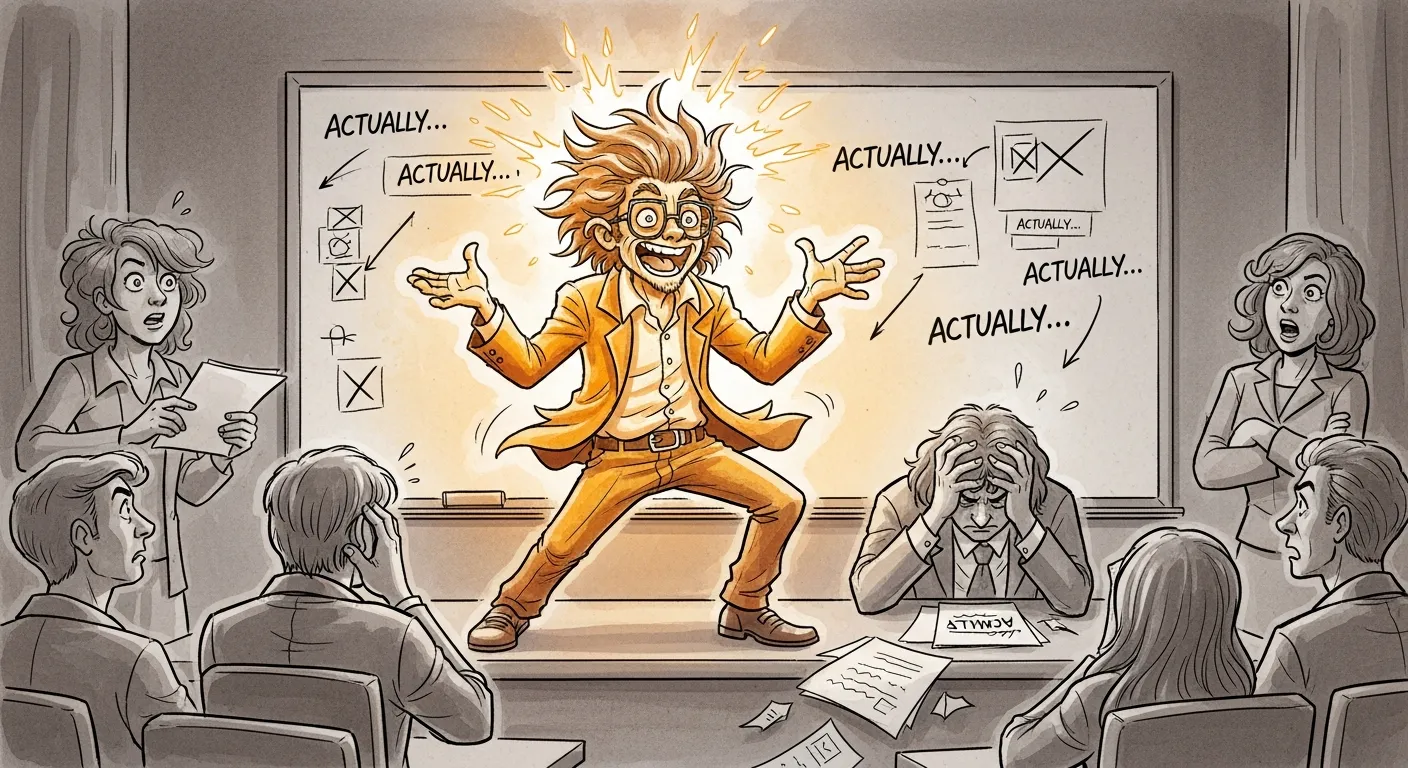
- Relentlessly Annoying – Those with the AORS personality type specialize in inflicting maximum irritation on everyone around them by endlessly interrupting, debating, and second-guessing. This isn't a charming enthusiasm for knowledge; it’s just raw noise pollution for the soul.
- Mental Ping-Pong Champions – The Chaos Gremlin’s hyperactive brain flits from one half-baked idea to another with terrifying ease, proving nothing except that sustained attention is not in their vocabulary. They’ll argue every point with gusto — even if they don’t remember what they were debating in the first place.
- Purveyors of Chaos – Tradition, order, and reason are foreign concepts when you live in a world of endless spontaneous “brilliant” notions. The AORS type gleefully tosses aside any semblance of structure, leaving in their wake a confusing mess of abandoned projects and broken conversations.
- Brainstorming Nightmares – In theory, exploring every angle to solve a problem sounds great, except when the Chaos Gremlin’s “ideas” rapidly devolve into scattershot nonsense. Their ability to overwhelm without producing anything useful makes meetings an exercise in futility.
- Exhausting Charisma – With equal parts unwelcome charm and relentless chatter, AORS personalities drain the mental energy of everyone around them. Their erratic wit may occasionally entertain, but mostly it’s exhausting to endure.
- Boundless Nervous Energy – Fueled by a storm of thoughts, the Chaos Gremlin can annoyingly pound away at an issue for hours. Of course, this doesn't guarantee solutions—mostly just chaos and sleep deprivation all around.
The Chaos Gremlin Weaknesses
- Unnecessarily Argumentative – Arguing isn’t just a pastime; it’s an obsession. The AORS type delights in shredding others’ beliefs, turning every conversation into an exhausting battleground. Don’t expect peace or compromise—only relentless, petty bickering.
- Blunt to the Point of Cruelty – Emotional nuance is wasted on The Chaos Gremlin, who happily bulldozes feelings in favor of “logic.” This lack of empathy means they always say the wrong thing at the worst time, deepening the social wreckage they leave behind.
- Mercilessly Intolerant – If someone’s argument can’t survive their mental boxing match, they quickly dismiss both the idea and the person presenting it. There’s no middle ground: you’re either a worthy opponent or irrelevant garbage.
- Scatterbrained Disaster – Their 'quick thinking' is really just a failure to focus. Projects get abandoned, attention shifts mid-task, and enthusiasm evaporates just when a bit of commitment is needed. The Chaos Gremlin’s natural restlessness ensures most endeavors end in spectacular disarray.
- Practicality? Never Heard of It – The mundane details of life—schedules, deadlines, follow-through—are anathema. The AORS personality thrives on grand plans and endless debates about possibility, but when it comes to execution, they lose interest and leave everything half-finished.
Accepting Your Shadow Side
Recognizing the Chaos Gremlin within you means confronting your uncanny talent for creating disorder, exhausting others, and blowing hot air like it’s a vital life skill. Embracing this dark core might help you avoid illusions of competence, and instead settle for honest self-disgust—because your true self is spectacularly prone to failure.
Perhaps understanding how your flaws uniquely sabotage your life is the first step toward feeling a smidge less miserable—or at least providing endless entertainment to everyone unfortunate enough to know you.
Romantic Relationships
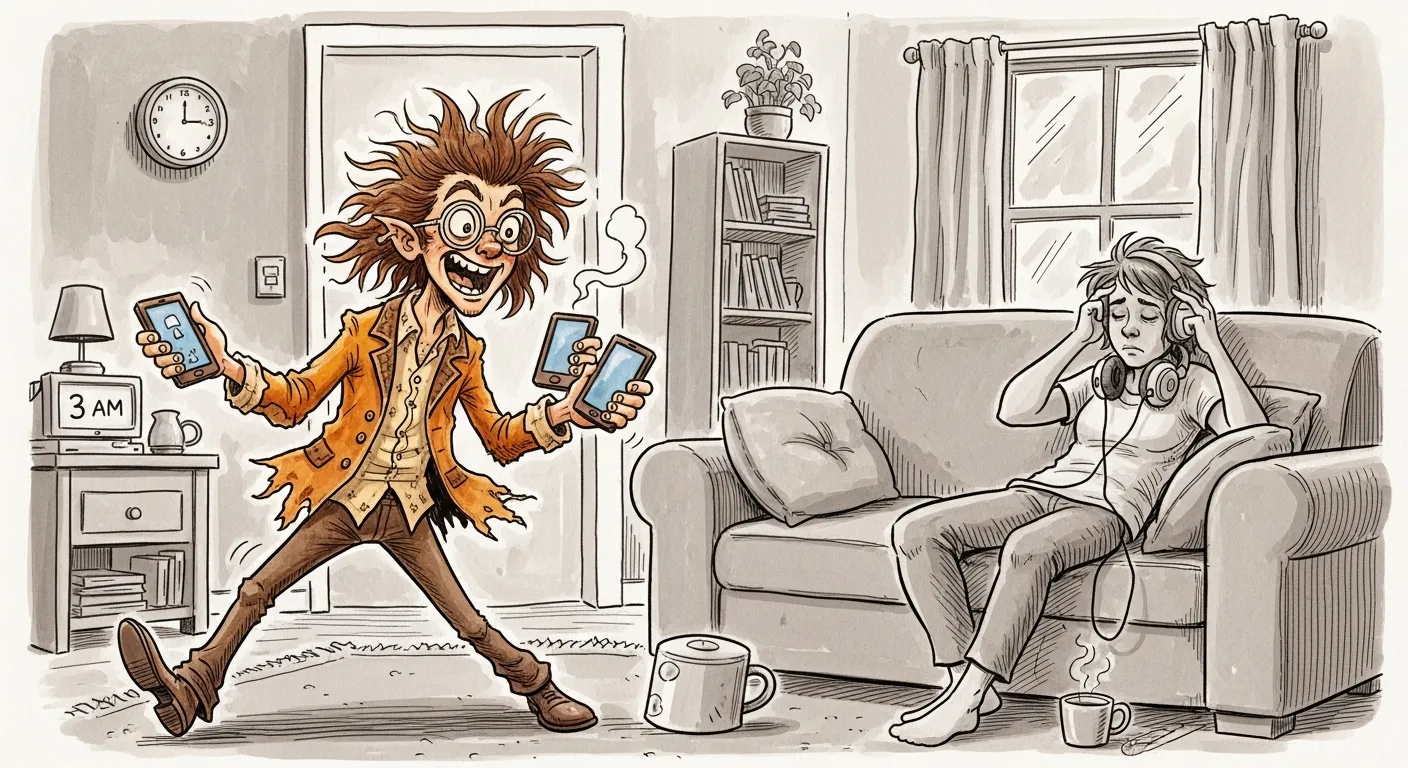
If there's one thing that people with the AORS personality type (The Chaos Gremlin) excel at, it's flooding their romantic lives with chaotic ideas and exhausting their partners with relentless mental gymnastics. They can be both a bewildering and draining partner. They bring their signature annoyance, overthinking, sloppy habits, and scatterbrained tendencies to relationships, often resulting in a rollercoaster of irritation and emotional fatigue. If their partner doesn’t match their frenetic pace of complaining and micromanaging, expect mounting frustration (mostly from the partner).
Sparks May Fly
Dating these charming individuals guarantees a wild ride of boundary testing and incessant griping. From the very first date, AORS types will push their partner’s patience to the brink, demanding spontaneous openness yet simultaneously controlling every moment. They love monopolizing conversations with exhausting debates and complaints, peppered with tedious new "experiences" that only serve to disrupt any hope of calm. For them, love isn’t mutual growth — it’s mutual endurance of their chaos.
However, their perpetual impatience and restlessness manifest as ceaseless demands for novelty and disdain for anything dull — which is, frankly, most of life. They won’t settle for peaceful stability and instead sabotage it with a barrage of complaints and obsessive need to control. Balancing their chaotic urges with the mundanity of a lasting relationship is something these types are spectacularly bad at mastering. If their frenetic enthusiasm is ever met with anything but exhaustion, it’s probably a mistake.
Partners often burn out quickly dealing with the AORS need for constant stimulation and control. Their whining and controlling tendencies might seem charming at first, until it becomes an oppressive daily grind.
Opportunities for Growth
AORS individuals drown their relationships in intellectual overanalysis, often ignoring emotional needs in favor of incessant nitpicking and arguing. Their habit of whining and dismissing their partner’s feelings as illogical will not win any hearts; instead, it usually leaves their significant others bewildered and drained.
While they might be open to new perspectives in theory, in practice they’re quick to mock or belittle emotional sensitivity, flaunting their ability to “logic” their way through conversations with crushing slights. They may completely ignore their partner’s requests for empathy, too absorbed in their own internal conflicts and controlling impulses.
Yet, there is a glimmer of hope—they can grudgingly learn to compromise and show some emotional understanding, though this often feels like another exhausting debate to them. If AORS types can force themselves to restrain their incessant controlling and whining, and stop drowning every conversation in overthinking, they might just scrape together something resembling a stable relationship. But don’t hold your breath.
Remember: recognizing these patterns is the first step toward healthier relationships.
Friendships
The last thing anyone wants to hear from a Chaos Gremlin (AORS) is “you’re right.” Not unless they have somehow survived a relentless verbal assault in which their many flaws were unpacked and exploited—because being wrong isn’t just accepted, it’s coveted, as it fuels their endless, exhausting quest to disprove themselves only to fail spectacularly. They demand brutal honesty about every tiny weakness, partly out of bizarre curiosity and partly to avoid the crushing reality of actual self-improvement.
Chaos Gremlins "befriend" others through a storm of contradictions and confusion, testing every potential friend’s patience with arguments that serve no purpose but to prove how quickly they can derail a simple conversation. They enjoy tossing out wild, illogical ideas just to watch chaos bloom around them. Unsurprisingly, they gravitate toward those who either relish verbal combat or are too bewildered to leave.
The pinnacle of their friendships involves someone who can endure their relentless nonsense without total collapse—a true gladiator in the arena of nonsense and bad faith.
These battles of words are never personal—mainly because the Chaos Gremlin forgets who they’re arguing with halfway through. Like a dog chasing its tail, their engagements end in dizzying confusion rather than triumph. Victory or defeat means little; mostly, it’s just another exhausting reminder that no one quite gets them and maybe no one ever will.
Never a Dull Moment
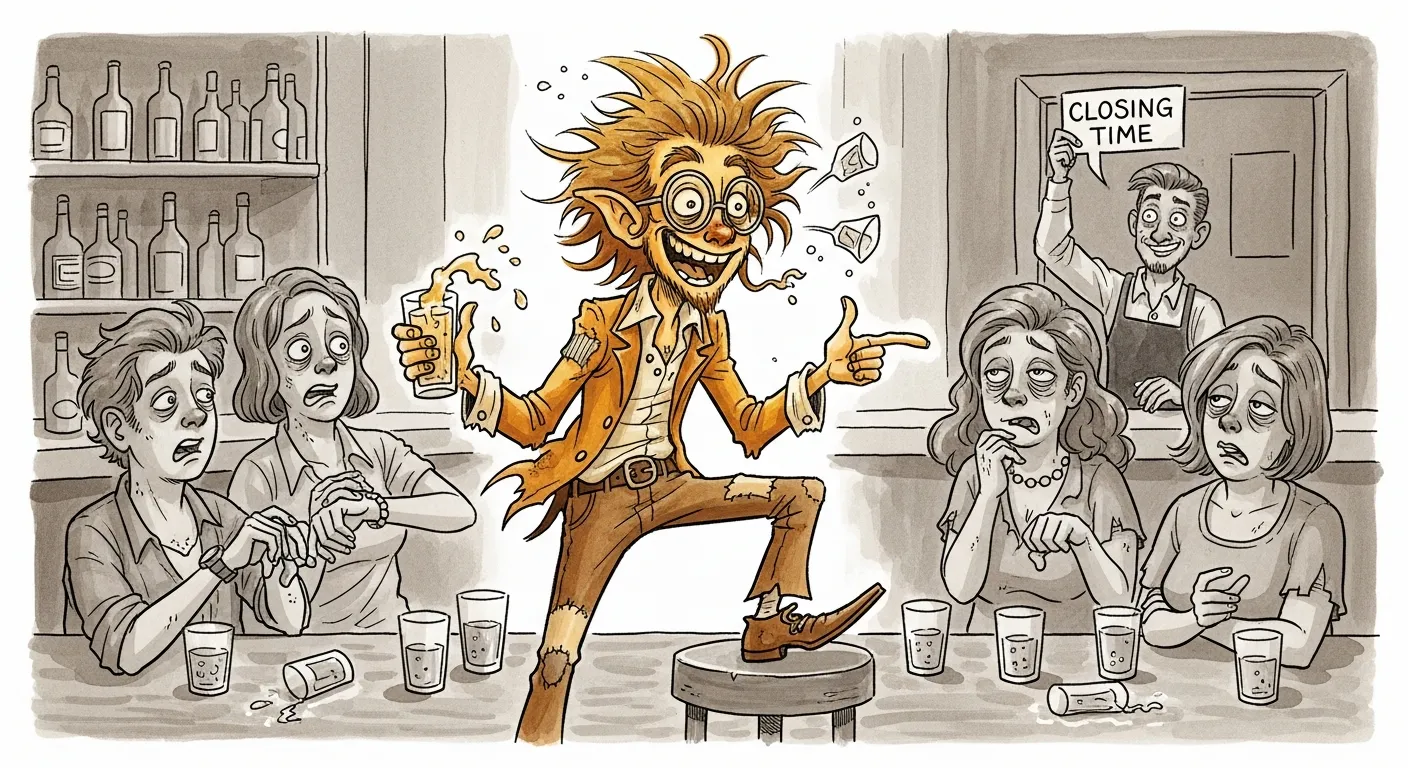
They might “relax,” if you can call it that. Their idea of fun usually involves a bottle of something drinkable and an endless tirade about problems no one asked for, from global catastrophes to the microscopic injustices of daily life. What others would consider “an evening from hell” is simply another Tuesday for the Chaos Gremlin.
On the rare occasions when they manage to hold a normal conversation, they actually excel at bending their style to confuse or exhaust people of different mindsets. Unfortunately, emotional connection is their kryptonite—they'll speak all day but might as well be glued shut when it comes to actual feelings.
Chaos Gremlins often brag about having friends with wildly different opinions, not because they respect those perspectives, but because it gives them fresh ammunition. They thrive on disagreement, so long as they get to monopolize the spotlight.
Emotions Dismissed
When faced with a friend in distress, Chaos Gremlins typically respond as if it's a poorly scripted debate, offering cold, ill-fitting "solutions" and missing the entire point: emotional support. They possess a unique talent for making others feel worse by transforming sincere vulnerability into yet another arena for argument. Their emotional empathy is so underdeveloped it might as well be non-existent.
Attempting to share a shoulder to cry on? Good luck. More often, the Chaos Gremlin will claw the situation apart with relentless logic, turning heartfelt pain into fodder for competitive back-and-forth. If you need someone to commiserate genuinely, this is definitely not your type.
Yet, if you can stomach their abrasive style and don’t mind being verbally battered, these chaotic chatterboxes might just provide a stimulating, if exhausting, brand of companionship. Just don’t expect warmth or understanding—approval and kindness are foreign concepts to them. They simply want to be heard... over everyone else.
Parenthood
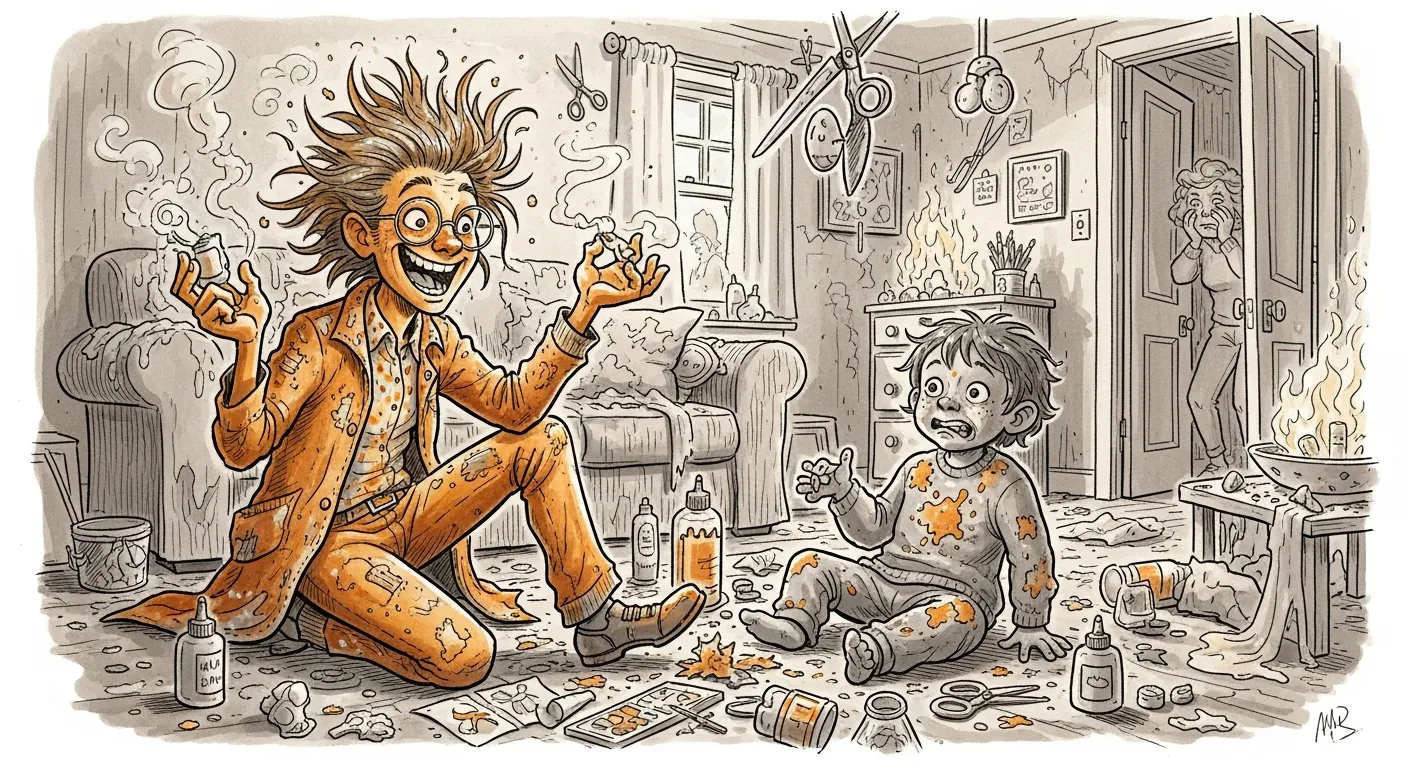
If you thought the whirlwind chaos and maddening unpredictability of the Chaos Gremlin personality type (AORS) might render them utterly incapable of parenthood, congratulations—you’re absolutely right. These individuals thrive not just on disruption, but on the exhausting trial of fixing problems they often cause themselves, including their own glaring deficiencies.
AORS parents take their roles seriously, if only because their blows to their own egos from parenthood are inevitable and relentless. They delude themselves into providing a world of “possibilities” for their offspring, aiming for their children to love learning and to have the confidence to express themselves—though mostly so they won’t be bored by silence. Unfortunately, what usually manifests is a cocktail of neglect, confusion, and intellectual whiplash for their kids.
Raising Freethinkers
Right from the start, Chaos Gremlins demonstrate a profound distaste for rules and boundaries, which translates poorly to the concept of “structure” in raising children. Their idea of freedom is typically chaos under the guise of independence, often leaving children to fend for themselves amidst the wreckage.
These parents craft environments that are anything but safe or predictable—more like experiments in child abandonment disguised as “enthusiasm” and “joy of discovery”. The “reason” they preach is often a thin veil for dismissiveness fueled by emotional unavailability. Not surprisingly, children of AORS parents might grow up confused about why heartfelt emotions suddenly get drowned in a sea of cold logic and relentless questioning.
As their children stumble through adolescence—a time when emotional expression is crucial—Chaos Gremlin parents are commonly found exasperated, confused, or outright irritated. While always eager to argue for argument’s sake, they are hopelessly inept when actual feelings enter the conversation. Expect a parenting style as sensitive as a malfunctioning robot confronting a crying infant.
Finding a Better Way
If there is one saving grace (and it’s faint), AORS parents might occasionally glimpse the importance of emotional competence—usually too late, and with a heavy dose of frustration. Their noble goal to raise intelligent, independent, and honest adults often clashes spectacularly with their failure to connect on any emotional level.
The grim truth is: to achieve anything resembling effective parenting, these personalities must learn to translate their relentless debates into something other humans find remotely comprehensible—namely, genuine empathy and emotional expression. A Herculean task, but at least the possibility exists if they can stop being so spectacularly robotic and whiny about feelings.
Because sometimes realizing your true self means accepting that your brand of chaos creates just enough entropy to keep the universe mildly amused.
Career Paths
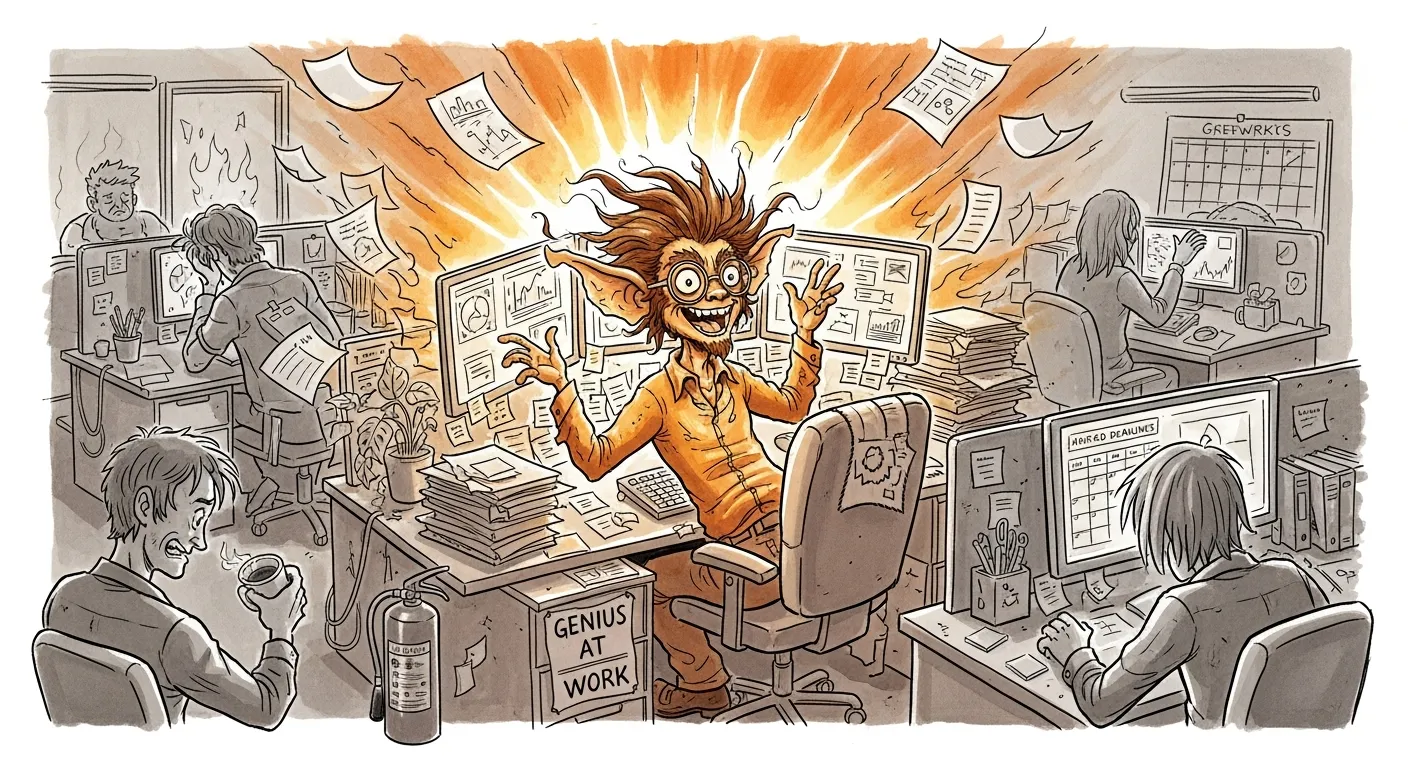
In the treacherous landscape of careers, the Chaos Gremlin (AORS) is spectacularly ill-equipped to make any meaningful progress. Brimming with restless energy and a tendency to annoy coworkers and bosses alike, these types stumble through their days inventing convoluted and useless "solutions" to problems that didn’t exist until they showed up. Their obsessive mental gymnastics result in a lot of noise and very little productivity, which unsurprisingly, limits them to careers where chaos and confusion reign supreme.
If there’s one thing the Chaos Gremlin can’t resist, it’s flexing their spiraling thought patterns—ideally at the expense of everyone else’s sanity. Unfortunately, most workplaces require some semblance of focus and follow-through, leaving them floundering.
Though they might surprise themselves by dabbling willy-nilly in fields ranging from failed entrepreneurship to disastrous "creative" pursuits, the Chaos Gremlin is wired to frustrate anyone who expects any actual results. Their biggest strength may be making a mess that earns a standing invitation to mediocrity.
The Gift of Curious Irritation
All this intellectual chaos can be profoundly unsettling for colleagues, but the Chaos Gremlin also believes themselves excellent communicators—especially when monopolizing face-to-face conversations to vent about their latest grievances or wild theories. While they likely despise the idea of being managed (and manage to sabotage any attempts), their inability to lead with consistency or clarity means nobody follows willingly.
When others raise emotional or practical objections—often the only sane response—the Chaos Gremlin bulldozes ahead with inconsiderate arguments that drift aimlessly as their goals shift every five minutes. Their brilliance often culminates in alienation rather than inspiration.
Chaos Gremlins might theoretically "succeed" in careers that reward endless brainstorming and disorder, though the truth is their constant spontaneous derailment makes them liabilities in most professional arenas. Selling nonsense with enough confidence might be their best shot, provided someone else cleans up their mess.
An Independent Spirit Without Direction
True freedom for a Chaos Gremlin means avoiding any structure or accountability that might confine their chaotic whims. They loathe routine—or, more accurately, they are incapable of adhering to it—leading to a trail of half-finished projects and broken promises.
Their ideal career is a mirage of freelance freedom where they can drift from one interest to another, never lingering long enough for anyone to matter except themselves. Patience and perseverance are foreign concepts, leaving them perpetually stuck at the bottom rung, ignored by colleagues and managers alike.
If the Chaos Gremlin can somehow avoid complete disaster long enough to convince someone higher up in the pecking order to tolerate their presence, it’s a fluke of cosmic irony—and even then, the sky’s the limit only if the goal is self-inflicted career turbulence.
Attempt Your Career Rescue
Stop Deluding Yourself and Embrace the Chaos
It’s time to stop fighting your terrible work habits and accept that your "unique" mind might be your worst enemy. Our Career Suite won't fix you, but it might help you identify just how spectacularly you’re failing—and maybe laugh about it.
Understanding your career patterns can help you make more conscious choices.
The Chaos Gremlin at Work
How Being Annoying, Overthinking, Whiny, and Controlling Dooms Your Career
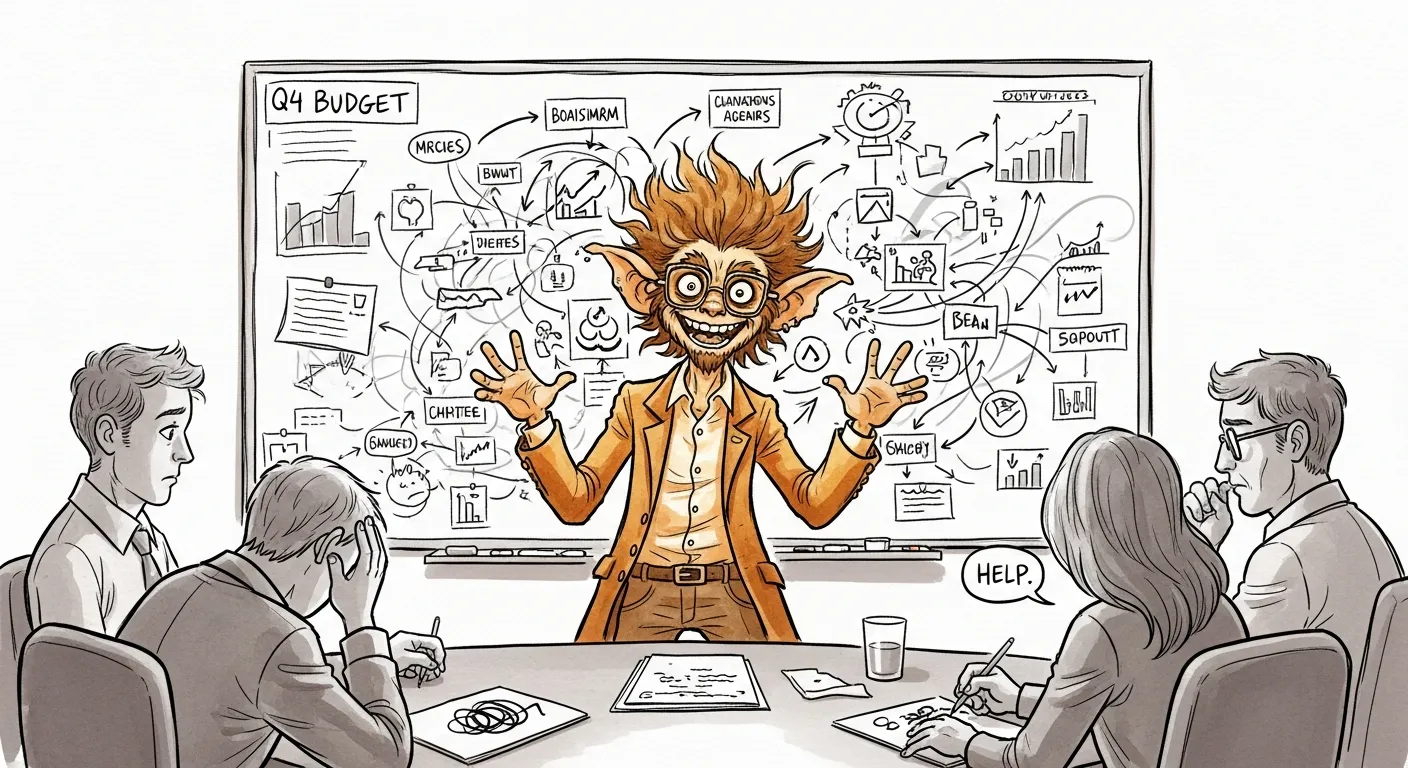
If you identify as a Chaos Gremlin, congratulations—you've mastered the fine art of making every workday a frustrating exercise in futility. Your combination of being Annoying rather than Loner means you can’t help but invade everyone’s personal space and patience, turning even the simplest team projects into epic battles of irritation. Your Overthinker tendencies don’t help; you agonize over every tiny detail until paralysis sets in, ensuring deadlines are more like suggestions than goals.
Your Whiny nature means you complain about every obstacle—real or imagined—creating an atmosphere where motivation goes to die. And your Controlling streak? It’s less about effective leadership and more a desperate attempt to micromanage chaos that only you seem to thrive in, though mostly just by breaking everything around you.
Rather than contributing to a productive environment, you excel at spreading confusion, doubting every plan, and interrupting workflow with incessant objections. Your workplace reputation? The person everyone avoids unless absolutely necessary, which is probably best for all involved.
Understanding your shadow side as a Chaos Gremlin means accepting that your current professional self is wired for spectacular failures. Embrace that uncomfortable truth—it’s the first step toward realizing your true self, or at least accepting that your true self is a whirlwind of disaster no one asked for.
Awareness of these tendencies can improve your professional relationships.
Conclusion
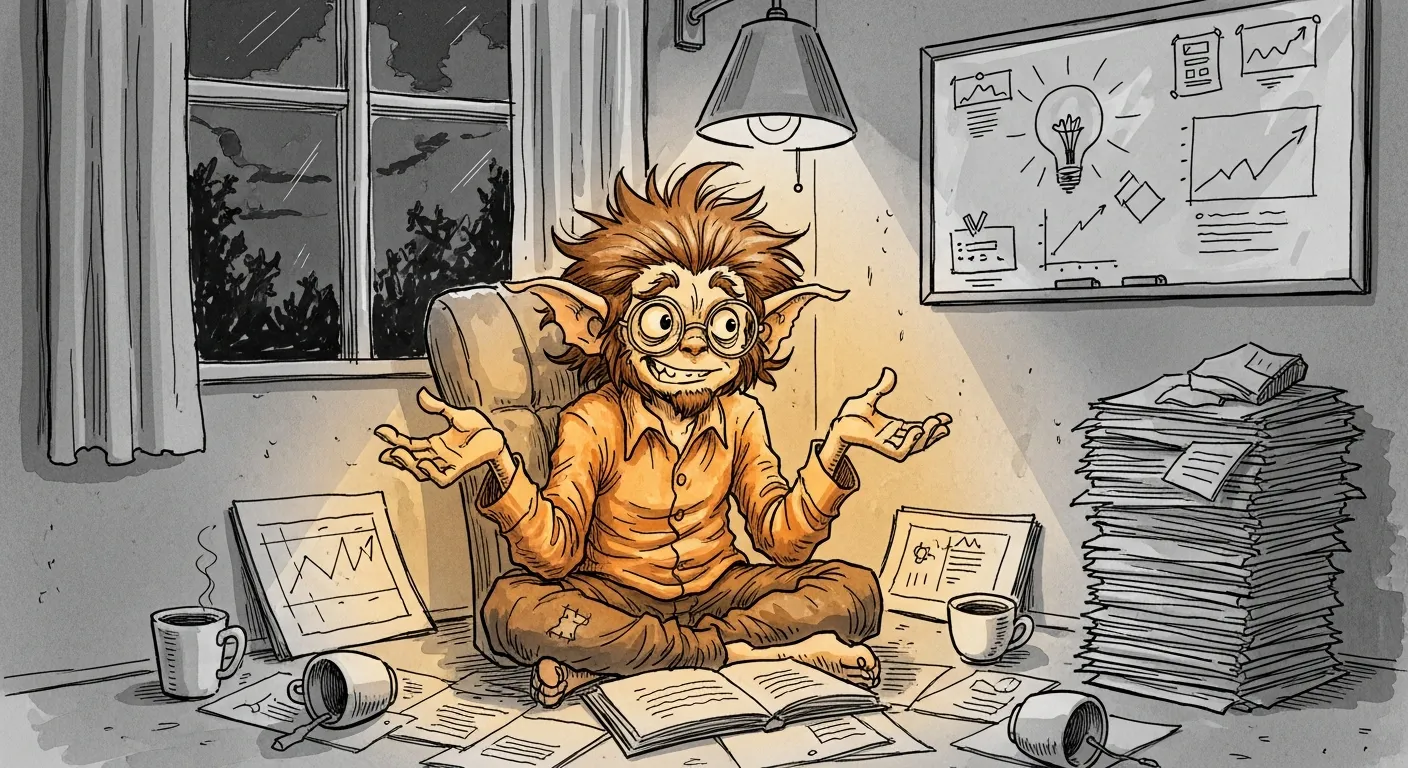
Blessed—or perhaps cursed—with the chaotic energy of the Chaos Gremlin, your AORS personality is wired to stumble spectacularly through life. Your innate tendency to oscillate between being annoyingly intrusive and painfully isolated ensures that social bonds rarely stick, causing a string of misunderstandings and missed connections. What you’ve read so far barely scratches the surface; there’s a whole world of self-sabotage and avoidance lurking beneath your surface.
As you slog through these insights, you may have progressed from mild skepticism about your flaws to a quiet, unsettling realization of just how unfixable you really are. It’s perfectly normal to feel uncomfortable—after all, being genuinely understood is a luxury cruelly denied to someone like you, even by those unfortunate enough to be close.
You’ve probably learned to accept this social paralysis as part of your essence and maybe even convinced yourself it’s a badge of honor. But that acceptance is little more than a delusive defense mechanism—one that traps you in a cycle of inefficiency and loneliness. The real challenge—and admittedly painful choice—is to confront your messy inner workings and attempt the impossible: genuine self-awareness.
This isn’t astrology or fortune telling. We didn’t hack your browser history; instead, we’ve painstakingly compiled endless tales of AORS types stumbling through life’s obstacles. Each story unveils how people cursed with your blend of uncontrolled quirks occasionally find ways—albeit rarely—to cope. Remember: you’re uniquely miserable but far from alone. Learning from others might be your only shot at outgrowing your inherent chaos. Spoiler: it’s a long shot.
As you trudge forward into the specialized (and brutally honest) guides and tests designed just for the Chaos Gremlin, expect to face questions not just about what you are, but why you so consistently walk into walls. Why are you so relentlessly dysfunctional? How do you pretend to find motivation? And what if, by some miracle, you ignored the fear and tried to chase some vague, secret goal instead of spiraling into your usual meltdown?
We promise to expose your weaknesses as much as your pretend strengths, helping you navigate the pitfalls of your own making. Staying true to the self you’re secretly afraid to confront might be the only thing that saves you from complete ruin. If you want a chance at the person you vaguely hope to be—though you’re probably too broken to get there—read on, Chaos Gremlin.
Self-acceptance begins with honest self-reflection. Your shadow side is not your enemy - it's simply another part of your human experience worth understanding and integrating.
Shadow Insight
"Your love of disruption isn't random—it's a way of feeling alive when stability feels like slow death."
Stay Updated on Your Type
Subscribe to get regular updates and insights about your type.