The Human Spreadsheet
LBRC
(aka ISTJ)
Loner • Boring • Robotic • Controlling
Emotions? Never heard of them. Let's see the data. You've optimized everything except your ability to feel.

Explore This Type

Introduction
Who is the Human Spreadsheet personality type?
LBRC (The Human Spreadsheet) is marked by Laid-back, Behind-the-scenes, Rigid, and Controlling traits. These individuals prefer solitude not out of depth or mystique, but because social interaction requires energy they'd rather invest elsewhere. Their worldview is so thoroughly rational that spontaneity feels like a personal attack.
"I'd be more terrified by unpredictability than anything else. Chaos is the true enemy."
Human Spreadsheets mean exactly what they say, which would be admirable if what they said weren't so relentlessly practical. When they commit to something, it's usually because they've exhausted all logical reasons not to. Their devotion to structure isn't about respect for tradition—it's about maintaining order in a universe that refuses to cooperate.
They won't win awards for charisma. Human Spreadsheets function as the quiet glue holding institutions together, appreciated in theory but rarely celebrated. Family members note their reliability the way one might note that a refrigerator is still running.
True to form, they avoid spontaneity like a spreadsheet avoids poetry. Their decisions marinate in careful analysis until all the flavor has been thoroughly removed.
A Life of Principled Rigidity
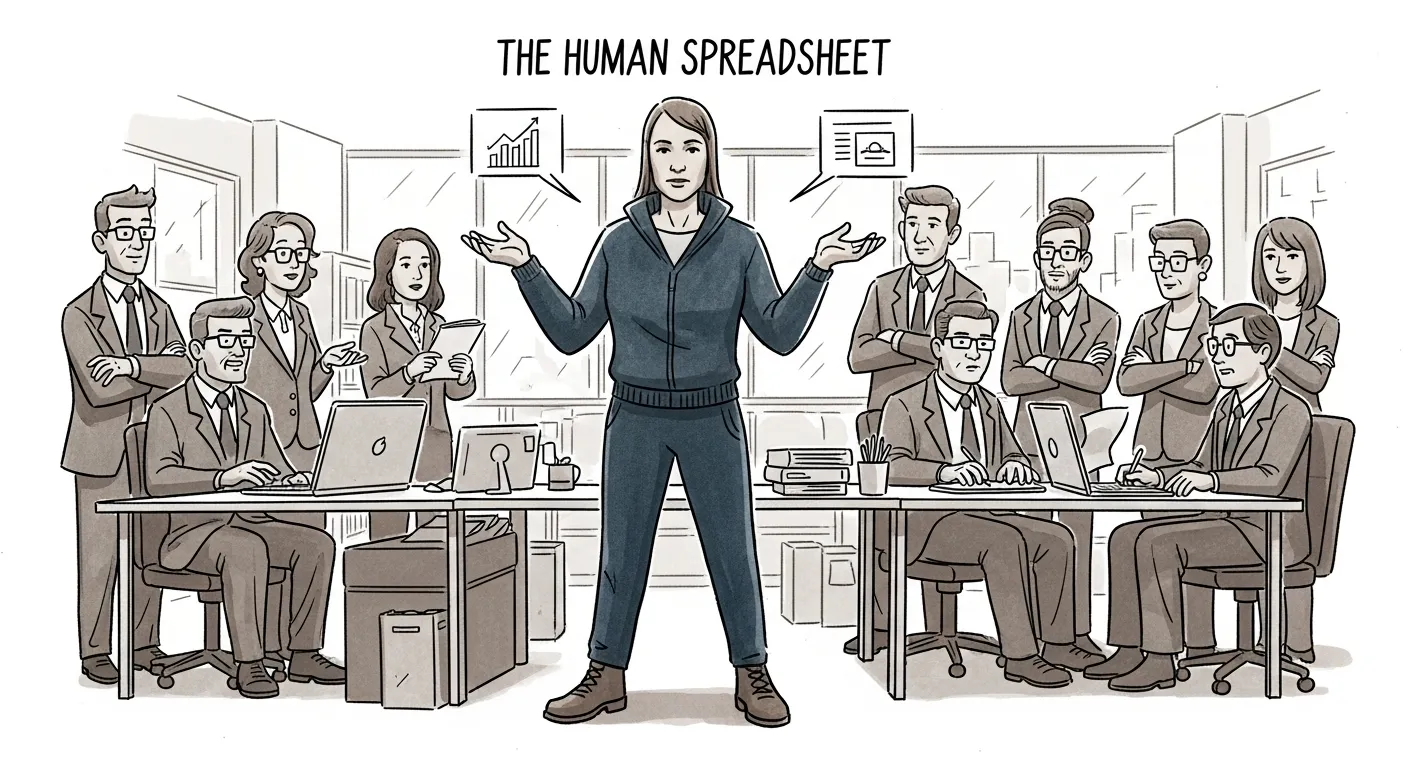
People with this personality believe there's a correct way to do everything, and deviation suggests either recklessness or questionable character. They accept responsibility readily—not from confidence, but from a quiet certainty that chaos will ensue otherwise.
Admitting mistakes requires extensive internal review. To them, honesty is less about connection and more about avoiding the discomfort of knowing something true that nobody else does.
They struggle to understand people who operate outside their standards. Others' legitimate challenges often look like poor planning from where they're standing. This interpretation makes them seem cold, though it's really just fear of disorder wearing a sensible blazer.
The Weight of Competence
Dedication to duty sounds noble until you realize it's a one-way street. Human Spreadsheets pick up slack not from generosity but from a compulsion to prevent messes. They become the unpaid support system for every group they join, then wonder why they're so tired.
They're known for handling someone else's responsibilities, then being quietly devastated when no one notices. The appreciation they crave would require them to mention they did something, which would feel like asking for praise, which is unacceptable.
Beneath their composed exterior lives a carefully managed collection of frustrations. If they don't learn to set boundaries—and they probably won't—they risk burning out while everyone else assumes they're fine.
The hope is that they might eventually learn to say "no" and acknowledge their own needs. If they do, they could show remarkable clarity and loyalty. Though it would still come with some light passive-aggressive commentary.
Strengths & Weaknesses
LBRC Strengths
-
Refreshingly Direct – You don't sugarcoat, partly because diplomacy feels inefficient and partly because you genuinely believe people deserve the truth. The delivery could use work, but the intention is almost touching.
-
Impressively Disciplined – While others chase novelty, you maintain routines with quiet determination. This consistency produces results, even if it also produces a suspicion that you've never truly relaxed in your life.
-
Reliably Responsible – You'll meet obligations others would abandon, often at personal cost. People depend on you precisely because you've never given them a reason not to. Whether that's healthy is a separate question.
-
Grounded Under Pressure – Crisis reveals your pragmatic core. While others panic, you assess and act. The emotional aftermath can wait—there are problems to solve. This is genuinely useful, if occasionally unsettling to witness.
-
Deeply Organized – You create systems that actually work, bringing order to chaos that others simply endure. The satisfaction you feel when everything is properly categorized is one of life's small pleasures. Very small.
-
Thoroughly Prepared – Your commitment to research and procedure means you rarely encounter surprises. You've already considered the contingencies. Innovation may not be your strength, but neither is being caught off guard.
LBRC Weaknesses
-
Stubbornly Certain – Once you've determined the facts, reconsidering feels like weakness. You'll defend your position long past the point of productivity, treating intellectual flexibility as a character flaw in others.
-
Accidentally Harsh – Your directness, while efficient, tends to leave emotional collateral damage. You're not trying to hurt feelings—you're just not trying particularly hard not to, either.
-
Inflexibly Principled – Rules exist for reasons, and bending them feels like the first step toward anarchy. This rigidity serves you well until circumstances require adaptation, at which point you discover you've forgotten how.
-
Quietly Judgmental – People who don't share your standards are filed under "irrational" or "undisciplined." This mental sorting system feels logical but costs you relationships you might have valued.
-
Chronically Overextended – You refuse to delegate because no one does things correctly, then wonder why you're exhausted. The connection between these facts somehow eludes you.
Romantic Relationships
Human Spreadsheets approach romance the way they approach everything else: methodically. Love, in their hands, becomes a series of reasonable decisions leading to a practical partnership. This isn't necessarily unromantic—it's just a very specific kind of romance that values consistency over grand gestures.
You prefer relationships that feel stable and predictable. Spontaneous declarations of affection make you uncomfortable, partly because you don't know how to respond and partly because you're already mentally cataloging the ways this could disrupt your evening plans.
The Courtship Process
Blind dates feel reckless. Random encounters seem statistically unlikely to produce compatible partners. You prefer introductions through trusted sources—a colleague's recommendation, perhaps, or someone you've had time to observe in a professional setting first.
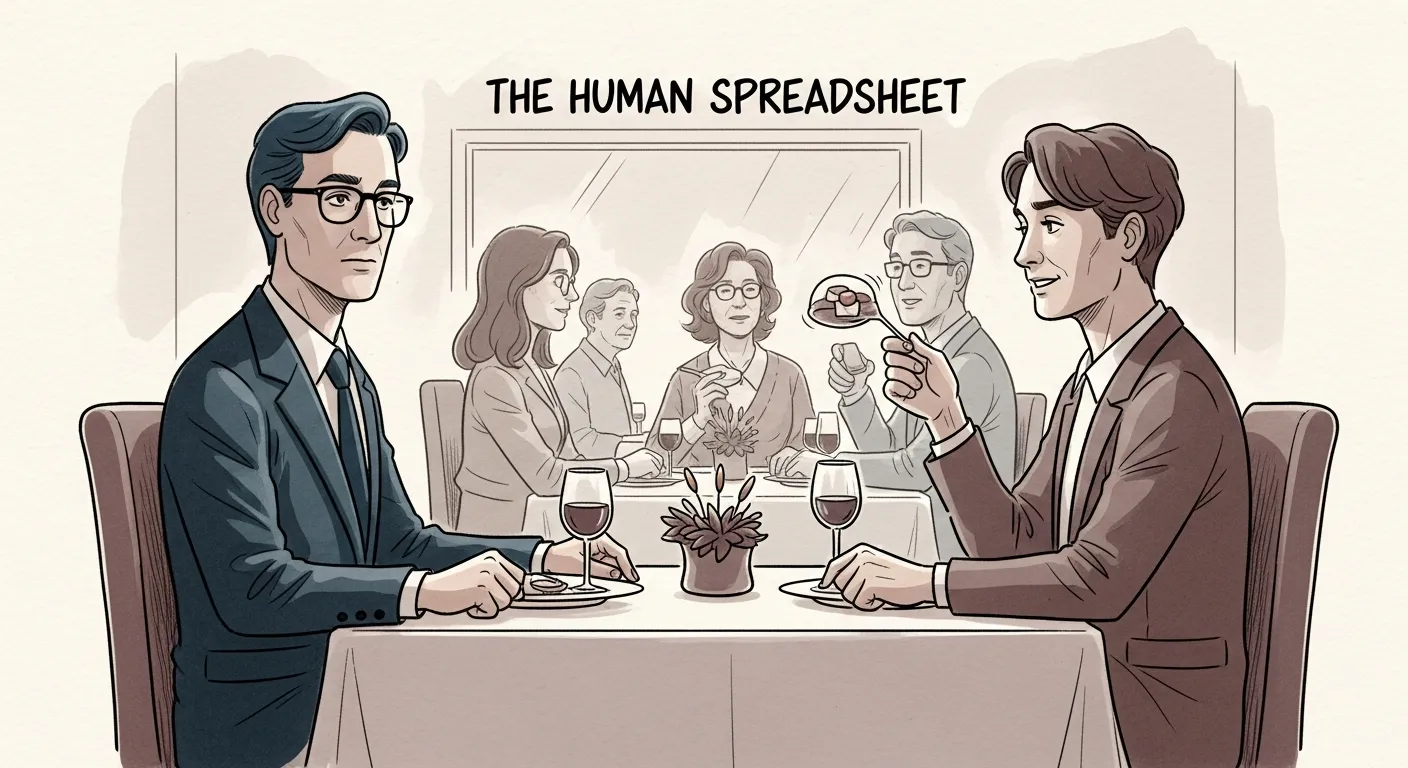
Your ideal early dates follow a comfortable pattern: the same restaurant where you know the menu, conversations that progress logically, and a reasonable end time that doesn't interfere with tomorrow's responsibilities. Deviation from expectations creates anxiety, which you manage by not deviating.
You approach compatibility like a research project, assessing shared values, life goals, and practical considerations. This isn't cold—it's thorough. The feelings come later, once you've established that the foundation makes sense.
Living Together
In committed relationships, you excel at the maintenance work others neglect. Bills get paid. Appointments get scheduled. The household runs smoothly because you've created systems that work.
What you struggle with is the emotional dimension that exists alongside the practical one. Your partner's request to "just talk" feels inefficient when there's nothing specific to solve. Their desire for spontaneity registers as a disruption rather than an invitation.
Arguments become logic exercises where you inadvertently prove your point while losing the relationship. By the time you notice your partner's frustration, it's often past the point where your preferred solution—a calm, rational discussion—would help.
The Quiet Offering
There's something genuinely touching about your form of devotion, even if it's easy to miss. You show love through reliability, through being there exactly when and how you said you would. You remember preferences and honor commitments. You may not write poetry, but you'll never forget an anniversary.
The partners who understand you best are those who recognize that your consistency is its own form of passion. You chose them, after all, and you keep choosing them—day after predictable day.
The Human Spreadsheet in love is neither villain nor victim. You offer stability in a chaotic world, which is genuinely valuable. Learning to pair that stability with emotional presence might transform your relationships. Though honestly, you'll probably just add "be more emotionally present" to a list somewhere and check it off quarterly.
Remember: recognizing these patterns is the first step toward healthier relationships.
Friendships
If you identify as a Human Spreadsheet (LBRC), brace yourself for friendship dynamics that resemble a poorly organized filing cabinet. You are neither spontaneous nor engaging; instead, you radiate a tedious loyalty that borders on suffocating. Your so-called commitment might impress a few, but let’s be honest—your friendships often feel like a never-ending chore list you can’t escape. Others will drift away because no amount of monotony compensates for your lack of warmth or fun.
When it comes to connecting with others, your dedication feels more like obligation than genuine affection. You follow your rigid social schedules and check off friends like boxes in your internal ledger, ensuring everyone knows you're "reliable," which usually means mind-numbingly consistent in all the wrong ways.
The Gift of Loyalty
Your loyalty is less of a gift and more of a stubborn refusal to change your mind. You make friends as slowly as a snail crossing molasses, ending up with a pitifully small circle of those who've accepted your emotional absence. When you say you'll show up, you do—probably because you've scripted the whole thing and can’t deviate even if you wanted to.
Expressing feelings? That’s not in your spreadsheet, and your attempts at emotional affection come off like a malfunctioning robot trying to be relatable. You believe "actions speak louder than words," but your actions resemble tedious obligations rather than heartfelt support. Your friends might mistake your dutiful presence for sensitivity, but it’s mostly just your inability to say “no” to social protocols.
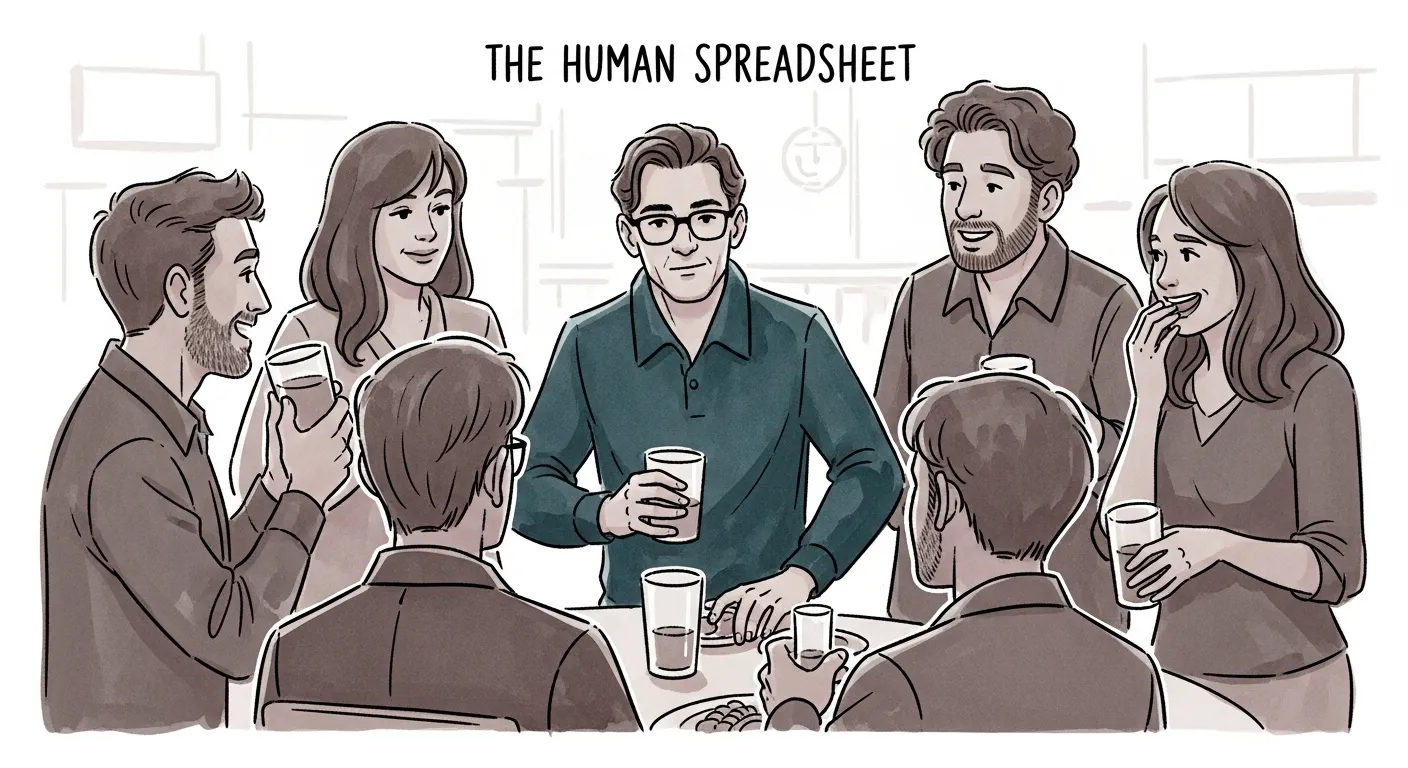
Despite this gloom, there is a side of you that tries to loosen up occasionally, especially when surrounded by more vibrant and talkative people. Sadly, this usually results in awkward pauses and forced attempts at humor, followed swiftly by a retreat back into your meticulously ordered world.
You avoid conflict like a virus and choose friends who mirror your dull worldview to avoid the exhausting task of genuine connection. Diverse personalities scare you because they threaten your fragile control, but you grudgingly admire others' "strengths," even if you can’t see how to relate to them.
Better Together
On rare occasions, you might pretend to appreciate friends who are spontaneous and imaginative—relationships built on sheer tolerance rather than true compatibility. You observe their flights of fancy with a blend of confusion and envy, all while expecting them to admire your so-called reliability. In truth, your dependable nature often masks an inability to adapt or inspire.
Knowledge, or at least the illusion of it, remains your last refuge, making you feel superior even as your social life slowly withers.
Parenthood
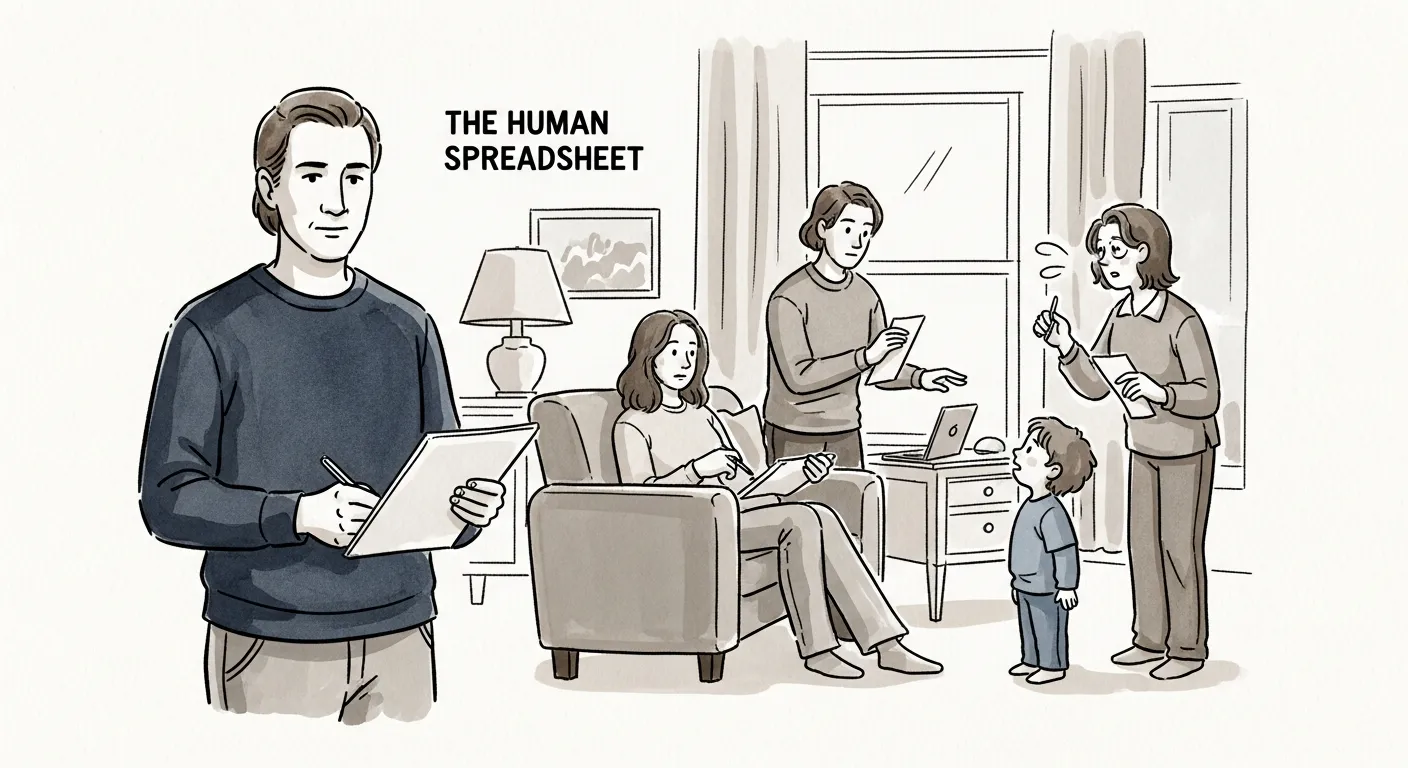
Being a parent is often seen as a sacred role, but for the LBRC—the Human Spreadsheet—it's more like a never-ending audit. These parents approach child-rearing with the mechanical precision of a data entry clerk in a soul-sucking office job. Their obsession with discipline and so-called honor merges with an outdated tradition: molding children into mindless cogs who conform to society's dullest expectations.
Unfortunately for the kids, this isn’t the warm embrace of nurturing they need. LBRC parents are relentless taskmasters with sky-high standards that crush any hint of spontaneity or joy. The environment they create is rigidly structured, sterile, and devoid of emotional color—perfect for producing little drones who fit somewhere, anywhere, as long as it’s useful and "respectable."
If there’s one thing LBRC parents admit, it’s that their parenting style makes other parents look like fun party animals. They drill into their children an obsession with respecting authority, as if that will somehow save them from the crushing void of mediocrity.
All their supposed "loyalty" and "devotion" evaporate the moment their children crave actual warmth or emotional support. While LBRCs might have a fragile sensitivity buried beneath spreadsheets and schedules, their brutal "tough love" usually feels like emotional starvation to their kids. If they ever want to salvage anything resembling a relationship, LBRCs will need a crash course in empathy and the complex reality that humans are not just programmable units. Balancing their cold logic with even a hint of humanity might stop their children from permanently resenting them.
Leading by Principle
LBRC parents are prisoners of their principles—patience, hard work, and discipline—virtues that most kids despise and rebel against. They impose these values mercilessly, convinced it’s for “their own good.” While this might produce grudgingly competent adults, it also erects emotional walls so high that children often feel like strangers in their own home.
When stubbornness meets stubbornness, the relationship risks freezing into a permanent standoff, a bleak outcome both parent and child will regret once the façade falls apart. LBRCs might want to consider that their version of “devotion” could use some flexibility. Accepting that their children have different dreams—and occasionally supporting those rather than crushing them—would lead to mutual respect instead of lifelong grudges. But let’s be honest, change is hard when you’re a Human Spreadsheet.

Career Paths
While others might thrive in the exciting chaos of freelance gigs or the freedom of entrepreneurship, those branded as The Human Spreadsheet gravitate toward painfully predictable career paths. Your overriding need for control and order means you’ll cling desperately to any semblance of stability, even if it crushes your soul. Change terrifies you, so you’ll choose work that offers routine and the illusion of safety — because reality is just too overwhelming.
A Steadfast Mind
This fixation explains why you’re drawn to the dry, unyielding bastions of hierarchy and dull tradition: government jobs, bureaucracies, and roles that impose endless rules to follow unquestioningly. Whether it’s as a petty manager, a compliance officer, or a mid-level cog in the corporate machine, you’re happiest when chaining yourself to the grindstone of authority. You relish the opportunity to be the painfully meticulous enforcer no one likes but everyone pretends to respect.
You’re probably the person who insists on having every task assigned with exacting detail, freaks out if a procedure deviates, and vocally protests when anyone tries to "improve" the system. Your devotion to rigid order is admirable, sure—if you want a membership in the Society of Soul-Crushing Monotony. Just remember: your refusal to adapt will ensure your irrelevance when the real world moves on.
The Backbone of Society
Confessing to be "The Human Spreadsheet" isn’t just an unfortunate nickname — it’s a terrifyingly accurate reflection of how you operate. Feelings? Connection? Empathy? These are alien concepts to you, replaced by a sterile devotion to facts and rules that often leave colleagues wondering if you’re a robot masquerading as a person. Your bluntness and inability to read or care about others' emotions make you the workplace equivalent of sandpaper—useful maybe, but grating for everyone around you.
Service roles that require emotional labor—like sales, counseling, or management—are a perilous minefield for your lack of social nuance. Instead, you’ll stick to your spreadsheets, procedures, and piles of paperwork, valiantly defending the tyrannical reign of bureaucracy. Sure, you’re “the backbone of society,” if by that we mean the dreaded, monotonous skeleton grinding everything to a halt. Accept this with grace, or remain the unwelcome antagonist in every team you infiltrate.
Understanding your career patterns can help you make more conscious choices.
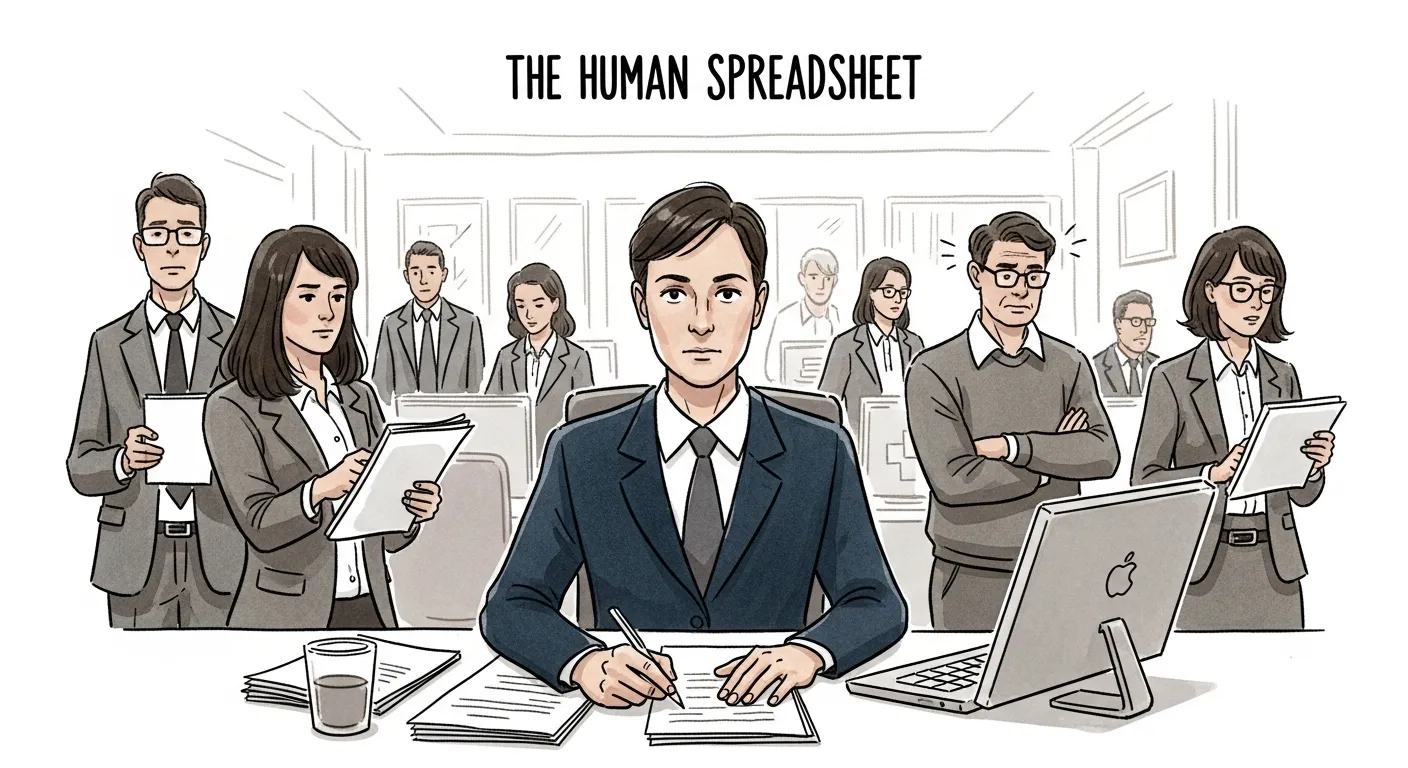
The Human Spreadsheet at Work
If you've come to terms with being the quintessential Laid-back, Behind-the-scenes, Rigid, and Controlling individual — congratulations, you have officially embraced The Human Spreadsheet persona. At work, this means you'll religiously follow rules nobody else cares about, manage tasks with the enthusiasm of a tax auditor, and compulsively label everything so even the mildly distracted can find your meticulously organized files.
Your preference for solitude guarantees that your coworkers see you as someone who keeps to themselves, occasionally offering unsolicited procedural advice. Your rigid adherence to process means your brain runs on systematic logic without much room for creative deviation. Your rational nature leaves you bereft of emotional color, responding to workplace drama with the enthusiasm of a malfunctioning printer. Your need for control ensures each spreadsheet is perfect, if only to mask how anxious you feel when things aren't orderly.
In meetings, your quiet intensity practically radiates like a beacon. You're less "team player" and more "the voice of reason," expertly deflating any attempts at spontaneity or untested ideas. Your colleagues soon learn not to deviate from established procedure without facing questions about "the better way it's always been done."
You are reliably methodical, sometimes to a fault. Accept this truth: You excel at maintenance work and systems thinking. But at what cost? Perhaps someday you'll realize that perfect execution of meaningless tasks is still meaningless—but more likely, you'll just optimize further.
Awareness of these tendencies can improve your professional relationships.

Conclusion
Few personality types are as reliably disappointing as the LBRC (The Human Spreadsheet). Leaning heavily on their rigid nature and overcontrolling tendencies, these individuals excel at creating meticulously organized yet emotionally sterile environments that feel more like functional machines than homes for themselves and everyone unfortunate enough to be around them. Their relentless need to control often prevents any genuine spontaneity or personal growth.
But don't be fooled—while their apparent orderliness might suggest strength, the LBRC personality blunders spectacularly when their controlling instincts clash with genuine human needs. Whether it's sustaining relationships without reducing them to logistics problems, mastering the fine art of relaxation (hint: they can't), climbing the career ladder without burning out from perfectionism, or simply allowing others the autonomy to live their own lives, LBRC types are wired to struggle unless they find ways to loosen their relentless grip on control.
If you’ve read this far, congratulations—you’ve just scratched the surface of the complex catastrophe that is the LBRC personality type. You may be thinking, “Wow, this is unpleasantly accurate,” or even, “Finally, someone dares to hold a mirror up to my dark side.” Or perhaps you’re wondering, “How does this site know all my messy secrets better than my own therapist?”
This isn’t some cruel illusion. You felt recognized because your shadow was fully exposed. We’ve meticulously cataloged what makes LBRCs stumble—spoiler: it’s mostly everything—and what miserable challenges you will likely endure. But hey, at least some others have wallowed through the same muck, so you’re not alone in this sinking ship.
However, if by some miracle you want to claw your way out of this pit, you need a plan. No matter how many spreadsheets you make or how tightly you try to control life’s chaos, without a personal roadmap, you’re just rearranging deck chairs on a sinking vessel. We’ve shown you your typical maladaptive behaviors, but now you must confront the “why,” “how,” and “what if” of your dismal fate.
This grim knowledge is not an endpoint but the start of a lifelong struggle. Are you ready to face the depressing truth behind why LBRC personalities self-sabotage? What dark fears shackled to your controlling nature keep you awake? What elusive dreams die under the weight of your own miserable whining? And—most heartbreakingly—how you might maybe, barely begin to unlock some version of yourself that isn’t a complete disaster?
For those masochists willing to endure, our Premium Human Spreadsheet Suite offers a faint glimmer of hope: a roadmap to a slightly less miserable, marginally more functional YOU. It’s a grueling journey, not for the fainthearted or those unwilling to challenge their painfully ingrained bad habits. But if you long to seize back even the smallest sliver of control from your toxic tendencies, we’re here—armed with nothing but brutal honesty and a hefty dose of existential dread.
Self-acceptance begins with honest self-reflection. Your shadow side is not your enemy - it's simply another part of your human experience worth understanding and integrating.