The Wandering Ghost
LBWS
(aka ISFP)
Loner • Boring • Whiny • Sloppy
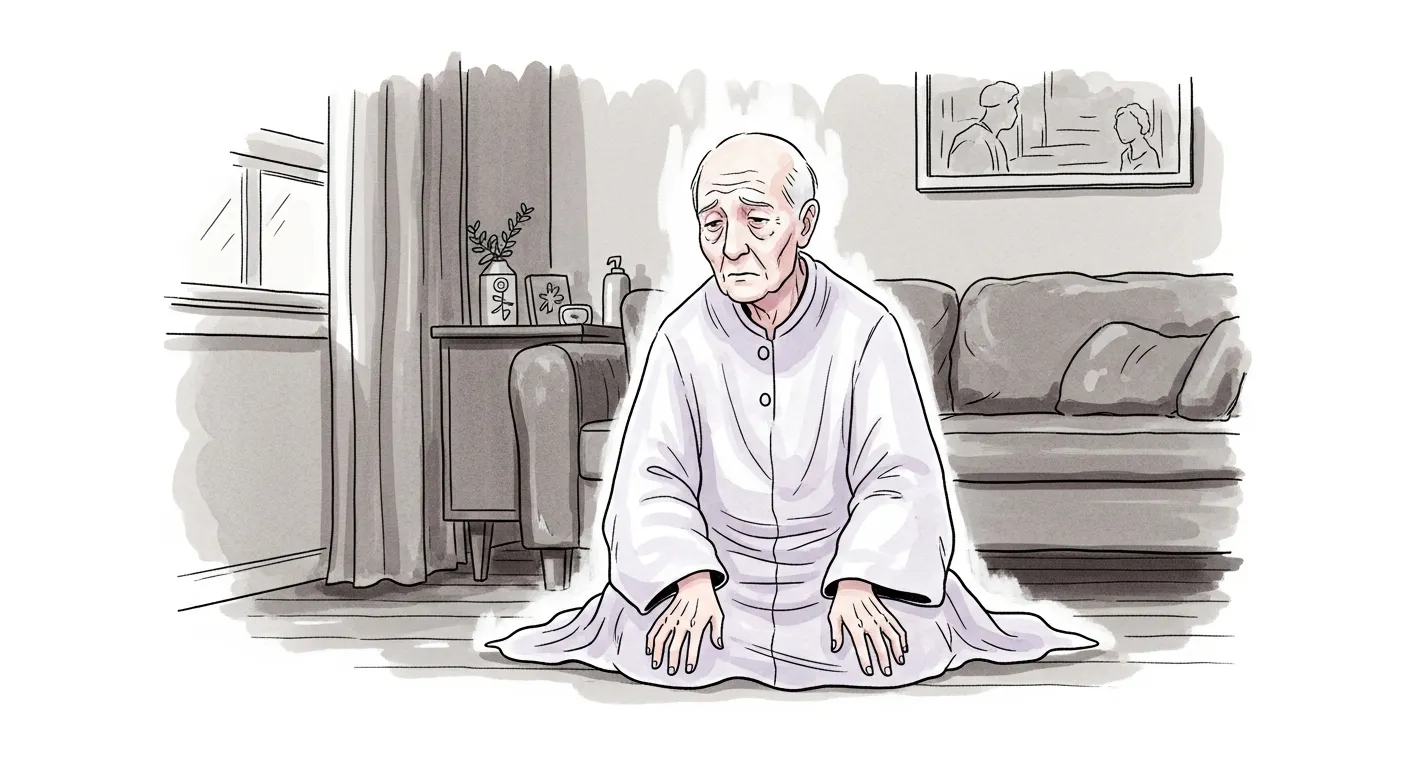
Present in body, absent in everything else. You're fading into the background and somehow that feels like relief.

Explore This Type
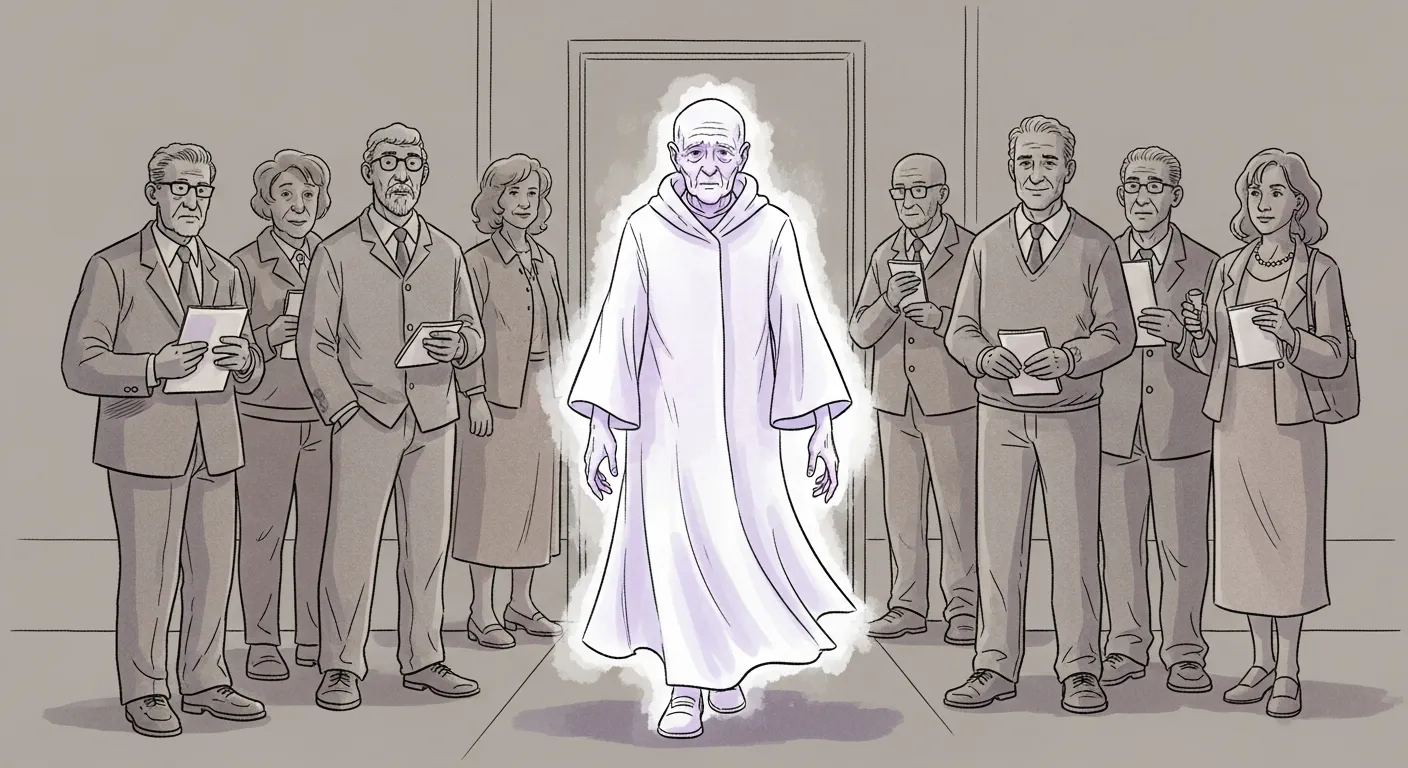
The Wandering Ghost
Who You Really Are
You're here, but also... not quite here. You exist in the margins of your own life, watching yourself make decisions from a slight distance, never fully committing to any version of yourself. People describe you as "hard to pin down," which is generous. "Barely there" is more accurate.
"I have seventeen half-finished journals, each representing a different identity crisis I abandoned mid-sentence."
The Wandering Ghost personality is what happens when sensitivity meets avoidance meets chronic inability to make decisions. You feel everything deeply—too deeply—so you've learned to hover above your own emotions, observing rather than participating. It's a coping mechanism that's evolved into a personality.
Your aesthetic sense is impeccable. Your ability to actually do anything with it? Less so. You have Pinterest boards that could launch design careers, playlists that capture exact emotional frequencies, closets organized by vibe. And yet somehow you're wearing the same three outfits and haven't left your room in days.
The Art of Almost
You almost started that creative project. You almost texted back. You almost applied for that job. Your life is a museum of almosts, each one a small monument to good intentions that got lost somewhere between your brain and your hands.
"Going with the flow" sounds peaceful until you realize your flow has been gently carrying you in circles for years. You're not spontaneous—you're indecisive wearing a bohemian scarf. Every "let's see what happens" is actually "I cannot handle choosing so I'll let the universe do it."
People mistake your passivity for calm acceptance. It's not. Inside, you're a hurricane of second-guessing, but the storm never breaks the surface. You just... drift. Through conversations, through jobs, through relationships. Present but somehow already gone.
Feelings as a Full-Time Job
Your emotional bandwidth is maxed out processing your own feelings. You don't have spare capacity to explain them to others, which is why you respond to "how are you?" with "fine" while internally writing a novel about existential dread.
You need alone time the way other people need oxygen. Not to recharge—to excavate. Hours disappear while you replay conversations, curate Spotify playlists that capture specific shades of melancholy, and feel guilty about all the texts you haven't answered.
Boundaries? You've heard of them. Setting them requires saying things out loud to people, which sounds exhausting. So instead you fade. Ghost. Become unreachable until the other person gives up. It's not kind, but it's easier than confrontation, and "easier" is your operating system.
The irony is you're actually interesting. There's genuine depth here—real artistic sensibility, authentic emotional intelligence. But accessing it requires presence you rarely grant yourself, let alone others. So you remain a beautiful mystery, mostly to yourself.

Strengths & Weaknesses
The Wandering Ghost Strengths
- Annoyingly Present – Ghosts aren’t known for their subtlety, and neither are you. Your painfully loud presence ensures that nobody can ignore you, whether they want to or not. Your relentless “live and let live” attitude really just means you’re too distracted to care about anyone else.
- Uncomfortably Tuned In – Somehow, you can tune into other people’s emotions, mostly so you can awkwardly overreact or burst their bubbles. Harmony? More like a desperate attempt to avoid your own discomfort by meddling in theirs.
- Forced Kindness – You try really hard to appear kind and encouraging, even if it often comes off as patronizing or insincere. This awkward empathy usually just turns into enabling other people’s nonsense.
- Distractingly Imaginative – Your wild flights of fancy could be inspiring if you ever decided to actually follow through on any of your harebrained ideas, but instead, you mostly create chaos or confusion.
- Overwhelmingly Passionate – Beneath your ghostly silence is a heart that beats way too loud and often for the wrong reasons—leaving a trail of emotional wreckage in your wake whenever you "catch fire."
The Wandering Ghost Weaknesses
- Incapable of Routine – Your desperate need for “freedom of expression” means that any rules, traditions, or schedules make you feel like you’re suffocating. This leads to a lifetime of avoiding responsibility and flaking out whenever life demands consistency.
- Pathetically Unpredictable – The mere thought of making long-term plans gives you anxiety so potent, you sabotage yourself before any commitment can stick. This leads to broken relationships and a bankrupt bank account before you hit midlife.
- Fragile Under Pressure – You live so deeply in your overwhelmed emotions that when stress hits, you shut down completely—losing whatever charm and creativity you might have once had, replaced instead by a grumpy withdrawal.
- Technically Inept – When a broken toaster or a confusing spreadsheet appears, your go-to move is to stare blankly or hope someone else fixes it. Your “hands-off” approach ensures everything mechanical or technical stays broken—just like your life.
- Self-Esteem on a Trapeze – Since the world demands measurable skills and you proudly offer only feelings and whims, you’re constantly dismissed as useless. Without angelic levels of support, you’ll believe every harsh word and spiral further into self-loathing.
Romantic Relationships
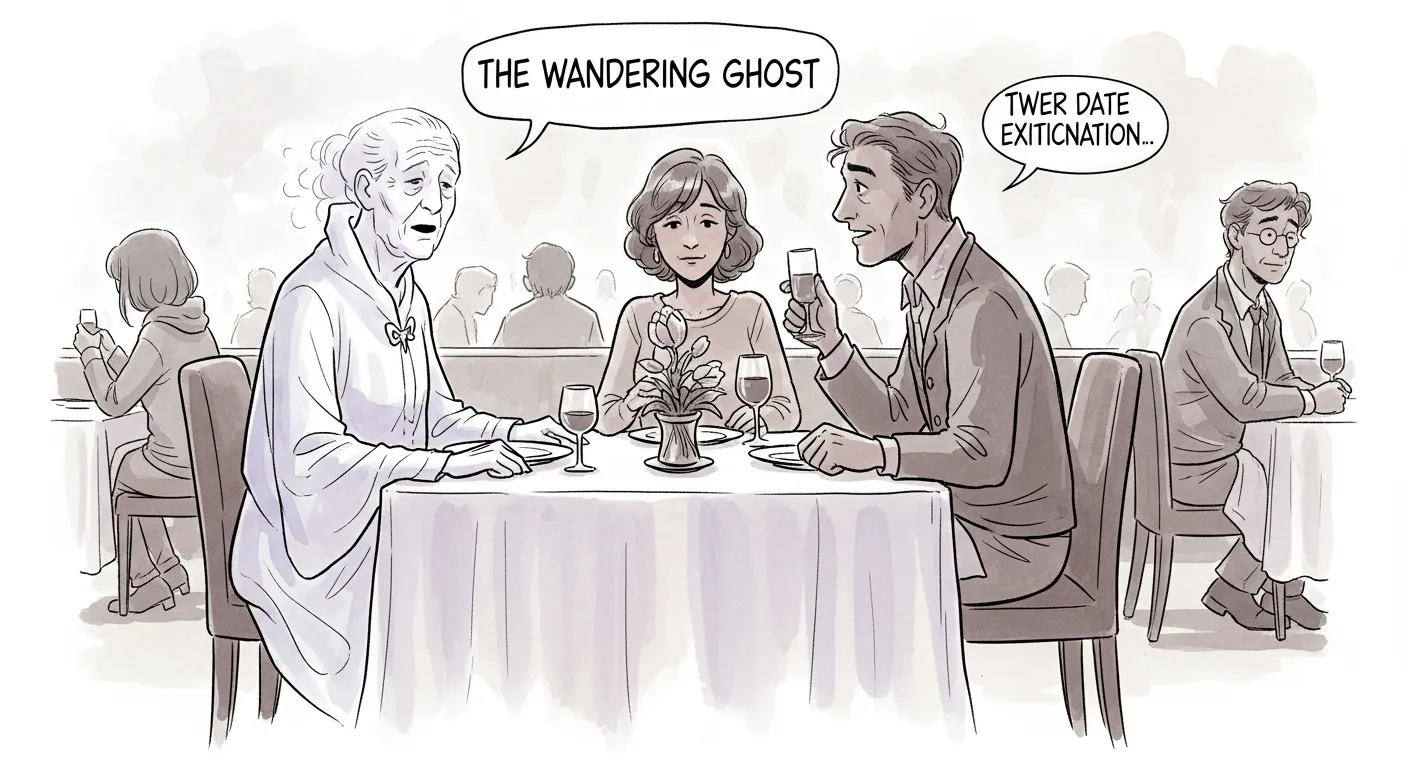
People of the LBWS personality type, known as The Wandering Ghost, are enigmas wrapped in confusion and self-doubt. Deeply emotional yet committed to hiding it, they prefer to disappear into silence rather than burden their partners with feelings nobody asked for. Instead of leading or expressing, they specialize in ghosting moods and leaving others guessing — a tactic guaranteed to keep everyone mildly annoyed and perpetually insecure. If you somehow tolerate their baffling nature, expect tepid warmth paired with an enthusiasm that barely registers.
Monotony isn’t something The Wandering Ghost manages to conquer — mostly because they lose interest in putting in effort altogether. Long-term partners will find themselves startled, not by romance, but by the consistent unpredictability of indifference appearing disguised as spontaneous “acts” of affection.
As relationships limp along, partners unfortunately learn that "vibrancy and spontaneity" are code for a person who can’t commit to a plan or emotional consistency. Planning is someone else’s job, usually the poor soul who tolerates their robotic neglect. Loyalty is present, but it resembles neglect disguised as “space”—often sarcastic, always disappointing. Their version of caring is showing up unless a conveniently timed excuse to flake arises. Their idea of affection includes random absences and cryptic grumblings.
A Tender Heart (That You’ll Probably Never Actually See)
The Wandering Ghost demands appreciation but will never directly ask for it, making the whole concept a cryptic guessing game. Their emotional sensitivity borders on fragility, so minor criticisms can be met with a full shutdown that would make a bunker jealous. They believe actions speak louder than words, which is fortunate because their words are usually too weak or confusing to matter.
When adequately prodded, they may be capable of some affectionate gestures, though it’s as rare as a solar eclipse. Behind the hesitant mask of shyness lies a pitiful addictiveness to emotional validation — but only if they feel absolutely safe, which means most partners won’t get close enough to see this vulnerable (and exhausting) side.
Over time, their initial mystique plummets as partners discover a cycle of fleeting fascination and dull inertia, with “intense attraction” developing mainly from pity or resignation.
Love from the Soul (If You Can Call It That)
Emotions dictate this type’s relationships, but their inherent restlessness ensures no connection lasts without frequent crises and a pervasive sense of “what’s even the point?” They recoil at commitment and find decision-making terrifying, leaving their partners to shoulder the burden of stability.
This personality type avoids planning like the plague yet suffers from conveyor-belt anxieties about the future. They resist clear communication, drowning in indecisiveness or whining instead — partners, prepare for emotional exhaustion on a professional level.
Growth? Possible but unlikely. If you're brave (or masochistic) enough to be part of their life, consider improving your own emotional independence — you'll need it.
Remember: recognizing these patterns is the first step toward healthier relationships.
Friendships
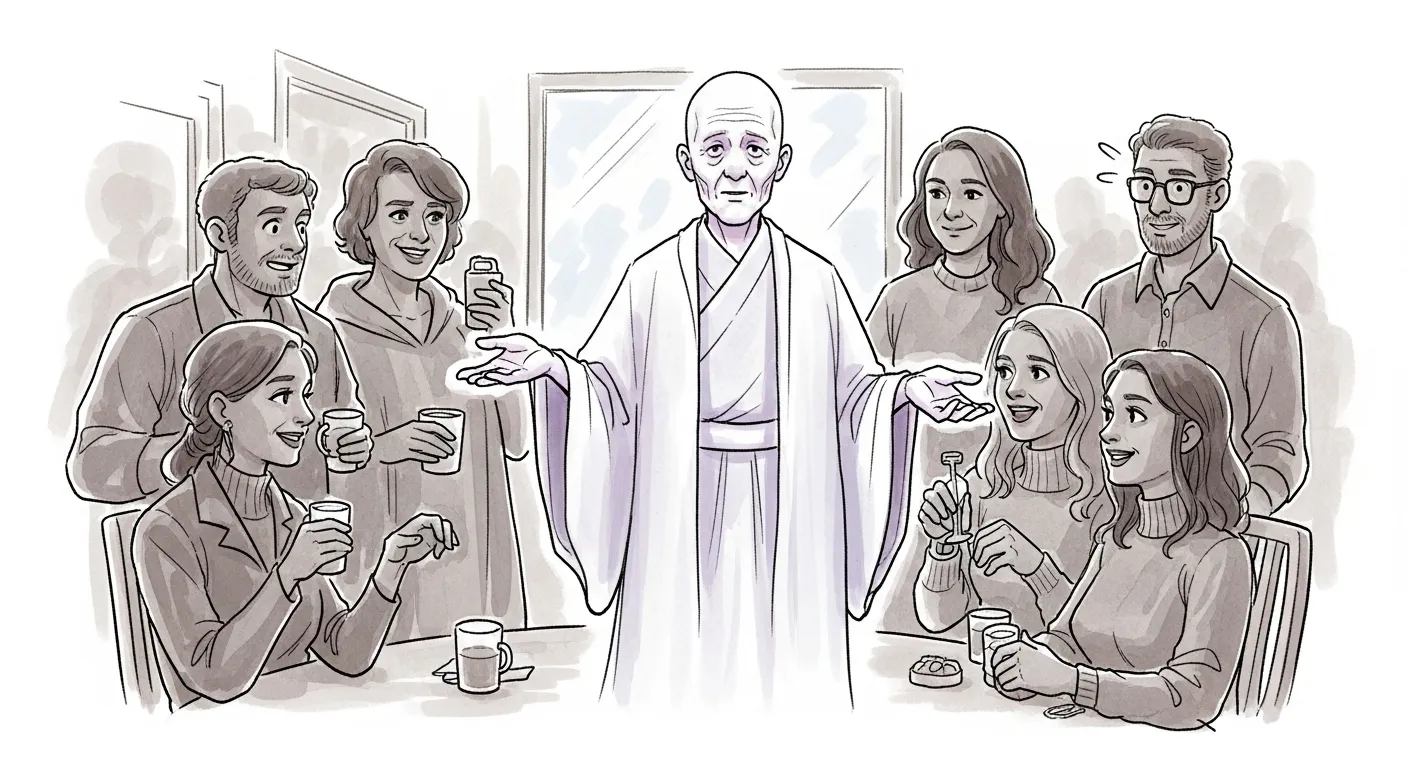
People with the LBWS personality type (The Wandering Ghost) approach friendships much like they fumble through life—awkwardly, anxiously, and with an overwhelming sense of social inadequacy. They are the friends who will disappear when you need them most and reappear only when it's inconvenient for everyone else. Their unparalleled talent for misreading social cues ensures they’ll blunder through conversations, often eliciting confusion or pity from those unfortunate enough to call them friends.
In matters of friendship, LBWS personalities come across as the human equivalent of a wet blanket. They won’t bother with meaningful conversations or dependable plans; instead, they’ll show up late or not at all to events, if at all. The present moment is less something to enjoy and more something to fear. Fun? That’s an aspiration they rarely manage to achieve, preferring instead to wallow in a haze of confusion and self-doubt.
Enjoying Life Together
LBWS personalities speak through awkward silence and baffling non-committal gestures rather than meaningful action. This is mostly because social interaction feels like a torture they struggle to endure, so their “passion for action” is more of a desperate attempt to avoid human contact. Their reserved and hypersensitive nature means that trust rarely develops before they vanish into their own unsettling inner worlds again.
When they reluctantly do spend time with friends, they often forget the conventions, bumping into social rules much like a ghost crashing through walls. They demand almost nothing, mostly because they can’t be bothered to impose, but also because they struggle to articulate any feelings or needs without sounding whiny or robotic (ironically, they manage both). If someone dares to offer advice or a friendly suggestion, LBWS personalities take it as a personal attack and retreat further into their existential shadows.
Being friends with an LBWS means signing up for a relationship filled with confusing signals, disappearing acts, and an exhausting need to decipher cryptic moods. It’s less a bond and more a puzzle you’ll spend a very long time regretting.
If their friends somehow manage to endure their passive-aggressive tendencies and cryptic detachment, LBWS personalities might occasionally reciprocate with a rare glimpse of warmth or a spontaneous (and awkward) attempt at fun. However, those who thrive on stable, predictable friendships should beware: any critique of their erratic social style will be met with sulky withdrawal or silent resentment. Just accept your fate and let them ghost you again.
Above all, LBWS personalities demand plenty of personal space—but not in a healthy way. They need room to hide from the world and their own emotional geographies. They respect their friends' autonomy only because engaging with others is too draining. They impose little, mostly because they lack the energy or interest, creating friendships that feel more like fragile mirages of connection than actual relationships. If you want a friend who can drop pretenses and join low-stress fun, you'd be better off talking to a houseplant.
Parenthood
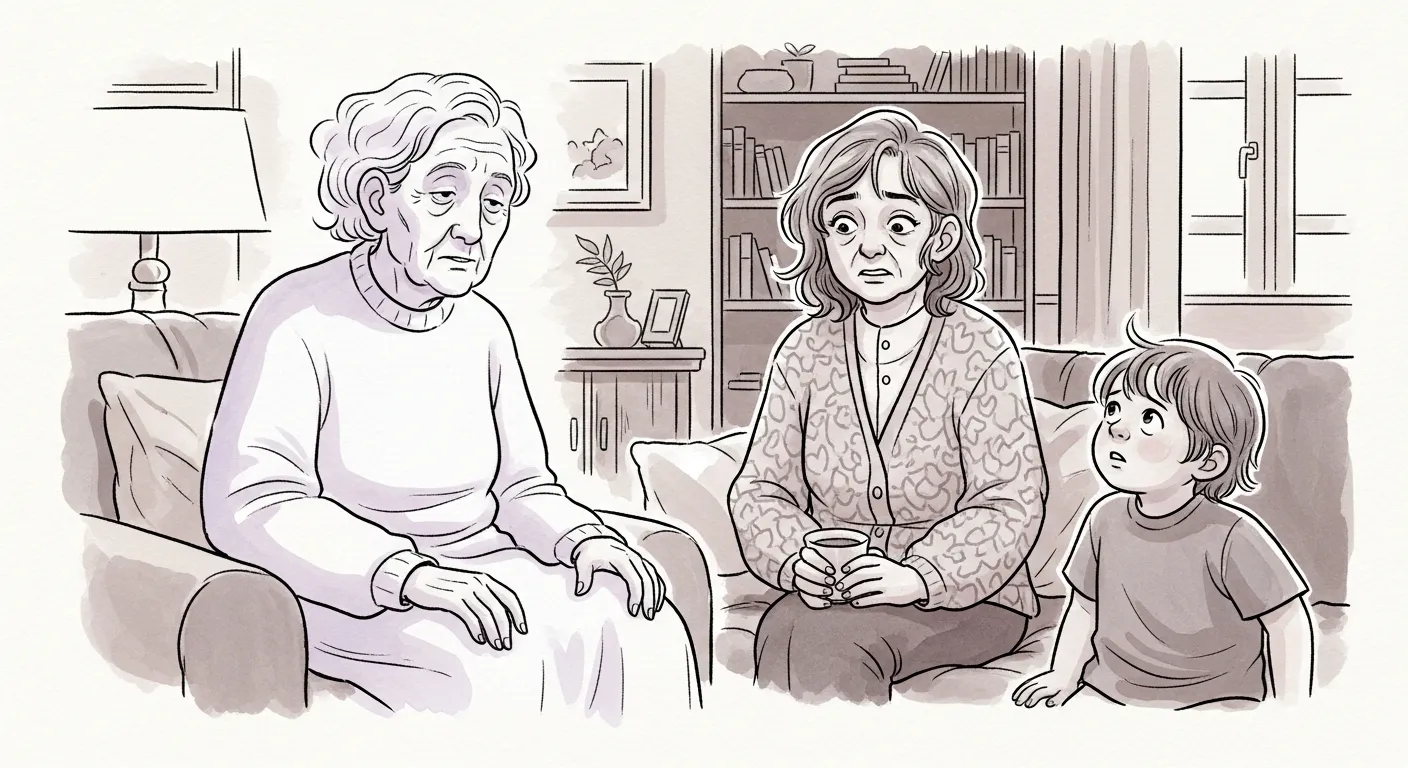
When it comes to parenting, those who lean toward the Loner, Boring, Whiny, and Sloppy (LBWS) traits—also known as The Wandering Ghost—tend to create a confusing and inconsistently chaotic environment for their children. They might believe in “accepting all parts of you,” but in reality, their inability to set clear boundaries or offer dependable guidance often leaves their offspring more bewildered than supported. Despite entering parenthood with vague intentions of nurturing individuality, the drifting, unsettled nature of the Wandering Ghost means that “settling in” is less about growing into the role and more about surviving each bumpy, meandering day.
Finding... Something in the Everyday
Their so-called “greatest strength” is their knack for unintentionally neglecting the day-to-day needs of their family while simultaneously drowning in their own overthinking and whining. Practical basics are sporadically addressed at best, leaving children to figure out what to do at odd moments—perhaps stumbling into last-minute, erratic “adventures” that feel more like chaotic distractions than bonding experiences. They resist structure not out of any enlightened philosophy but simply because the idea of “hardline rules” overwhelms them. Freedom granted without foresight becomes another recipe for confusion, and their children learn early that “exploring” often means wandering aimlessly without adult supervision or support.
Throughout their parenting journey, Wandering Ghosts may cherish the illusion of “quality time,” which usually means half-heartedly initiating projects that never quite get finished or offering downbeat company that wears thin quickly. Their well-intentioned attempts at creativity often border on what their children remember as neglect masked by sporadic enthusiasm. The relaxed, non-controlling nature of LBWS parents isn't a virtue—it’s a failure to provide stability, leaving their children adrift in a sea of inconsistent rules and emotional unavailability.
The “Freedom” That Scares Everyone
The dangerous freedom that Wandering Ghost parents impose on their children is less a gift and more a burden that demands an unreasonable load of maturity from kids still figuring out the basics of life. These parents tend to be so wrapped up in their own fragile sensibilities that they recoil at any criticism, no matter how valid. Nothing stings a Wandering Ghost more than a justified “I told you so,” which they desperately avoid by continuing to ignore obvious problems and hoping they’ll fix themselves—spoiler alert, they won’t.
The Struggles of Teenage Years (Mostly for the Parent)
When children hit adolescence, the LBWS parent’s habit of emotional whimpering and indecision gets a real workout. They crave validation, hoping desperately their inconsistent efforts are appreciated, though teenagers are notoriously polite at withholding such niceties. Any desire to connect is usually drowned out by the confusion their lax parenting cultivates. As their children push away—rightly so—the Wandering Ghost struggles mightily to stay relevant, failing with earnest awkwardness.
Yet somehow, in this chaos, these parents are unlikely to build rigid divides—for better or worse, their lack of backbone means no walls get firmly erected. But that’s hardly comforting. Their children know home as the place they can escape from, not the haven it pretends to be.
In accepting your Wandering Ghost tendencies, realize you’re embracing the chaotic shadow side of parenting: the part that everyone wishes they'd mastered but you, alas, have made your own. Embrace it—not because you should, but because denial is exhausting. And yes, your children will notice.

Career Paths
In the unforgiving arena of career pursuits, those branded as The Wandering Ghost—your unique LBWS type—are tragically wired to prioritize one futile craving above all else: the illusion of creative freedom. Forget about stability, progress, or financial security; your insatiable need to escape into whimsy ensures you'll fumble any chance at conventional success. Your so-called imagination is just a recipe for chaos.
If anyone tries to steer you toward sensible, predictable planning, know this: they are not guiding your flame, but smothering it, and yet your floundering mind is ill-equipped to appreciate discipline anyway.
As you stagger down the winding, aimless path of employment, your peculiar combination of listlessness, emotional volatility, and detachment offers minimal practical value. Your self-indulgent defiance of structure makes you a perfect fit for dead-end roles that value no consistency, innovation, or real accomplishment.
Your delusion of being a 'unique perspective' means you'll likely dabble in half-baked artistry or flit from petty freelance gigs to desperate Etsy storefronts, forever rejecting the dull but essential stability of a 9-to-5 job. Predictability is your enemy—even if it’s all you need to survive.
Free Spirits at Work
The Wandering Ghost despises any environment that requires patience or consistency, preferring instead a revolving door of spontaneous distractions. Flexibility? Sure, but only because you refuse any genuine commitment. Improvisation? Mostly a cover for disorganization and scattered attention.
Your "live in the moment" mentality reveals an utter incapacity for long-term planning—an essential skill for anyone who hopes to avoid professional oblivion. It's less a philosophy and more a recipe for perpetual frustration and financial instability. Retirement planning? Hah. You don’t do futures; the present is a mess and the future an impossibility.
Looking to Tomorrow
This avoidant mindset guarantees your slow crawl toward career dead-ends. Coaching, counseling, or teaching might sound noble, but your inability to stick it out for long and navigate certification processes ensures you'll never really master anything.
If you're lucky, your freelance endeavors will sputter along—freelance creative work, hobby-based businesses, or artistic pursuits—always meandering, rarely thriving. Your attempts to sprinkle beauty and joy are more like a messy paint spill on an already cracked canvas. The irony is that your sensitivity could be an asset if you could channel it consistently, but consistency isn't exactly your strong suit.
Understanding your career patterns can help you make more conscious choices.

The Wandering Ghost at Work
Understanding Your Shadows in the Workplace
If you are the Wandering Ghost, your work life tends to feel like a foggy maze with no exit—an endless loop of avoiding responsibility and hoping no one notices you exist. As someone caught between being a Loner and a Boring Overthinker, you master the art of quietly disappearing just when things get complicated, perfectly embodying workplace invisibility.
You probably drift through your tasks with robotic detachment, underwhelming even the most apathetic colleagues. Your Whiny tendencies make it impossible to muster enthusiasm, and that controlling versus sloppy internal tug-of-war ensures your output is either chaos or micromanaged misery—rarely anything useful.
Trying to climb the ladder? Forget it. Your Miserable Narcissist auxiliary mix convinces you that everyone else’s incompetence is why you aren’t progressing, while making zero effort to improve your own dismal performance. Embrace the wandering ghost within: a career marked by missed deadlines, ignored emails, and awkward meetings where you fade into the background, expertly invisible yet quietly resented.
Self-awareness might be the first step to change, but your type is wired to thrive on avoidance and excuse-making. If you must work, try to accept these flaws honestly—though hating yourself is more aligned with your true nature.
Awareness of these tendencies can improve your professional relationships.
Conclusion
Few personalities are as tragically confused as The Wandering Ghost (LBWS). Cloaked in a fog of indecision and awkward silences, they meander through life believing in their own muted charm. Their attempts at kindness shine dimly, often overshadowed by their overwhelming tendency to disappear into loneliness — a true spectral presence, incapable of making a real impact.
While they are occasionally mistaken for thoughtful or artistic, The Wandering Ghost is more accurately described as a daydreaming drifter who struggles to act when it really counts. Their practical skills are underdeveloped at best, and their habit of overthinking turns even the simplest tasks into unwinnable battles. Whether it’s sustaining any kind of relationship, holding a job without evaporating into nothingness, or planning for the future, these individuals are spectacularly wired for failure.
What you’ve just read barely scratches the surface of what it means to be a Wandering Ghost. You might be nodding along, thinking, “Wow, finally someone points out how deeply I disappoint myself,” or “I knew there was something wrong with me.” No surprise there — this is your shadow self talking, unfiltered and unwilling to sugarcoat your shortcomings.
We didn’t need to spy on you; your pattern of self-sabotage has been well documented by others of your kind. The barriers you encounter were demolished by no one — certainly not by you. If there is a path forward, it requires confronting your inner mess and relentless inertia with brutal honesty.
But embarking on this journey requires more than a wishful thought; it calls for a grim roadmap. Even the fanciest vehicle won’t help if you don’t know where you’re crashing into. You now have a rough sketch of how your personality tends to self-destruct under stress, highlighting your painfully obvious flaws. The next step is understanding why you do this to yourself and how to pretend to care enough to change.
This knowledge is merely the first step on a lonely trek with no promises of redemption. Are you prepared to face why you repeatedly fail at your own fragile goals? What secretly terrifies you? What hollow dreams keep you semi-functional? And most importantly, how might you finally accept that your potential may forever remain locked behind your own apathy?
Our Premium Wandering Ghost Suite offers a faint glimmer of guidance towards a slightly less miserable version of yourself. It’s not for the faint of heart—or the chronically defeated. If you want to stop wandering in the shadows and start dragging yourself, however reluctantly, forward, we are here for your pitiful attempt.
Self-acceptance begins with honest self-reflection. Your shadow side is not your enemy - it's simply another part of your human experience worth understanding and integrating.
Shadow Insight
"You fade into the background because being seen means being judged, and you've judged yourself enough."
Stay Updated on Your Type
Subscribe to get regular updates and insights about your type.